
Precision Machined Components: The Foundation of Modern Systems
Direct answer: Precision machined components are custom-machined parts with tight tolerances typically plus or minus 0.01 mm to plus or minus 0.05 mm, manufactured from metal alloys (copper, brass, stainless steel, aluminum) using Swiss turning, CNC machining, and metal stamping processes. VOLCRIX has manufactured precision machined components since 1991 under IATF 16949 quality system for OEM and Tier 1 supplier customers.
Ready to Start Your Precision Machined Components Project?
Free DFM review · Quote within 24 hours · Prototype in 7–15 days
Common Applications
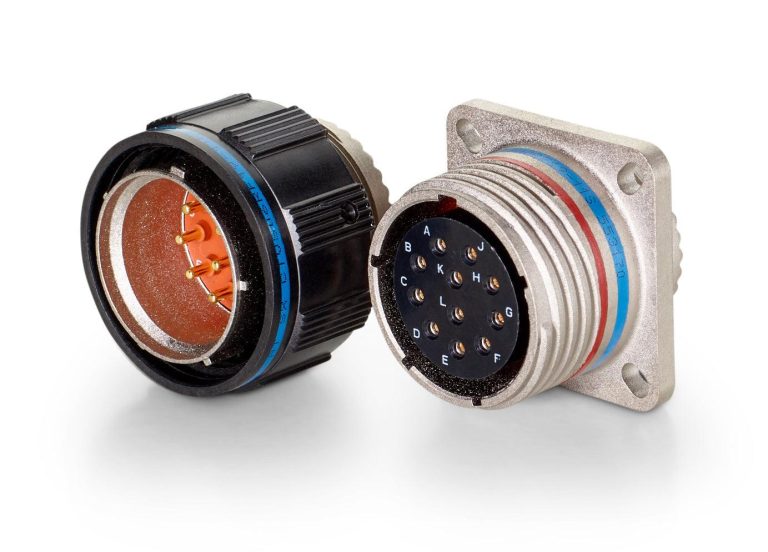
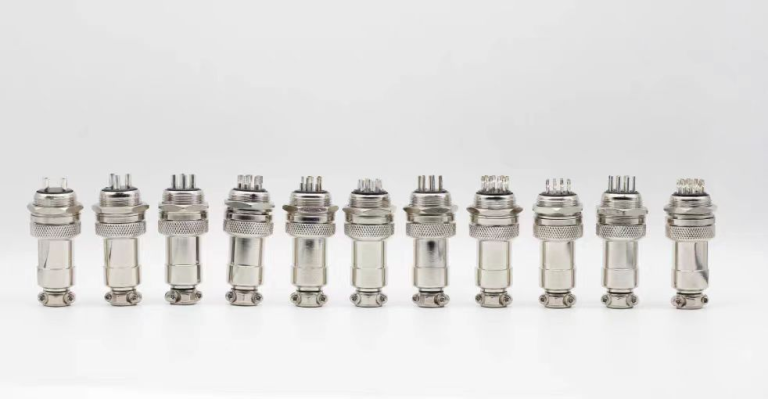
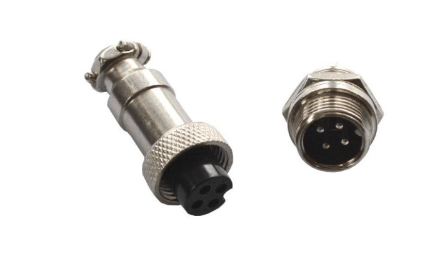
- Electronic and semiconductor components — for connector pins, sensor housings, RF shields, semiconductor test sockets, and PCB-mounted precision components
- Automotive and EV charging components — for fuel injection parts, ABS valve bodies, EV charging connector pins, battery contact pins, sensor housings
- Aerospace and aviation components — for instrumentation housings, fastener bodies, sensor components, and avionics enclosures requiring AS9100
- Medical device and instrument components — for surgical instrument bodies, diagnostic equipment parts, dental implant components, and imaging system parts
Manufacturing Support from VOLCRIX
- 60+ Japanese Star Swiss turning machines — for precision machined components 0.5 mm to 25 mm diameter range with tight plus or minus 0.01 mm tolerances
- 40 stamping presses 5-200 tons — for high-volume precision stamped components with progressive die capability
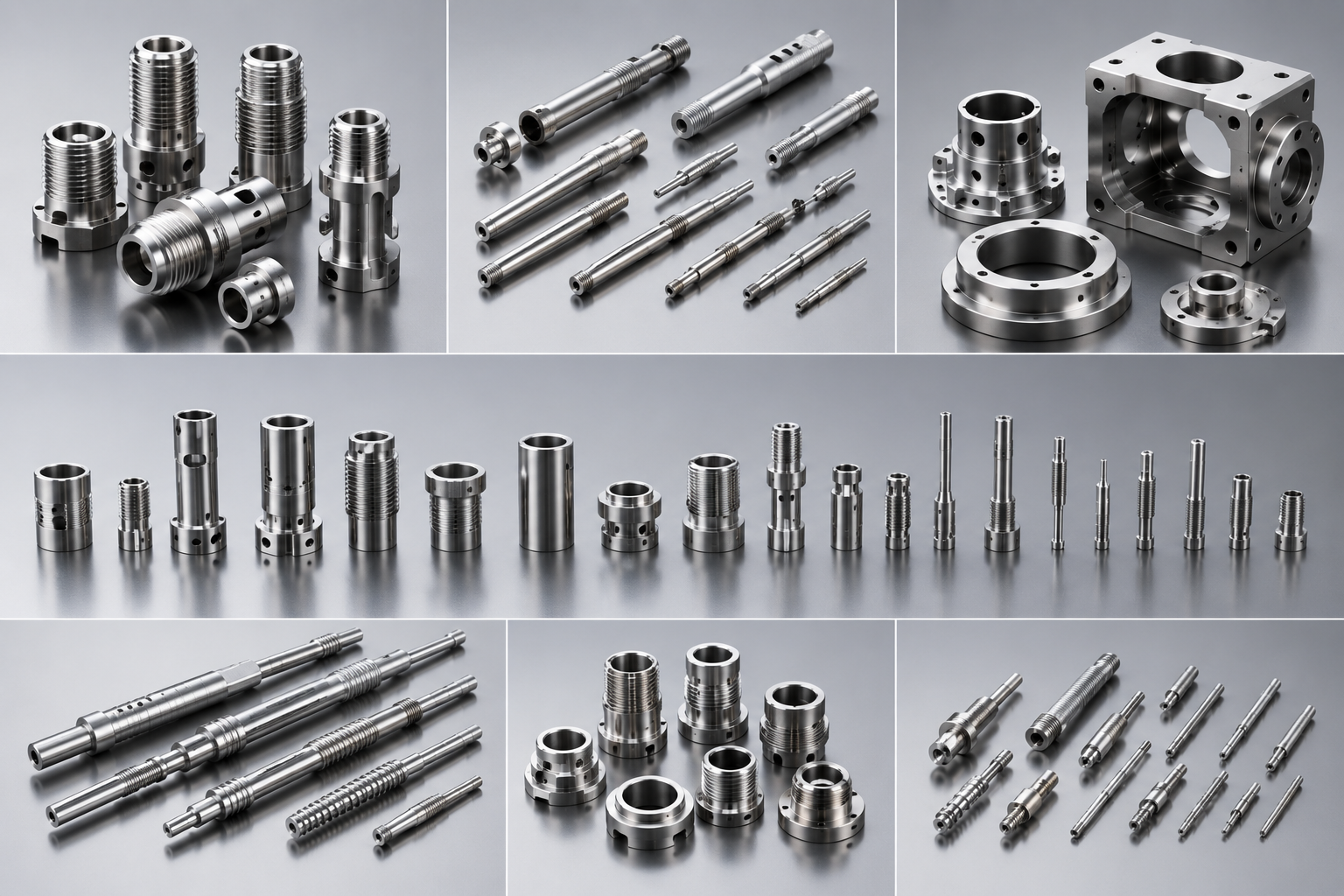
- Multi-process capability — Swiss turning for cylindrical parts, CNC machining for complex geometries, stamping for flat parts, injection molding for plastic components
- Full material traceability — per IATF 16949 with raw material heat lot traceability, processing records, FAI documentation per shipment
Buyer Checklist
- Specify material grade using UNS designation — C11000, C18150, C36000 for copper alloys, 303/304/316 for stainless steel, 6061/7075 for aluminum
- Define dimensional tolerances — critical features plus or minus 0.01 mm, standard features plus or minus 0.05 mm, per ASME Y14.5 or ISO 2768
- Indicate applicable industry standards — IEC 62196-2, SAE J3400, MIL-DTL-38999, ISO 13485, AS9100
- Specify surface finish and plating — Ra value for critical surfaces, plating type, plating thickness per ASTM standards
Related Custom Manufacturing Services
- Custom Precision Pins — connector pins, contact pins, spring pins
- Custom Precision Shafts — Swiss turned shafts
- Stainless Steel Turned Parts — stainless steel machining
- Custom Brass Turned Parts — brass precision machining
FAQ
What are precision machined components?
Precision machined components are custom-manufactured parts with tight dimensional tolerances typically plus or minus 0.01 mm to plus or minus 0.05 mm, manufactured from metal alloys using subtractive manufacturing processes. Common processes include Swiss turning for small cylindrical parts, CNC machining for complex 3D geometries, and metal stamping for flat or formed parts. Industries requiring precision machined components include electronics, semiconductors, automotive, EV charging, aerospace, medical devices, telecommunications, and industrial automation.
What tolerances can precision machined components achieve?
Precision machined components can achieve the following tolerances: Swiss turning plus or minus 0.005 mm on premium features, plus or minus 0.01 mm standard on critical features. CNC machining plus or minus 0.01 mm on premium features, plus or minus 0.025 mm standard. Stamping plus or minus 0.025 mm on premium features, plus or minus 0.05 mm standard. Concentricity to 0.01 mm TIR. Surface roughness Ra 0.4 to 1.6 micrometers standard. Tolerance verification on Zeiss CMM.
What is the difference between Swiss turning and CNC machining for precision components?
Swiss turning uses a sliding headstock design that moves the bar stock past a fixed tool cluster, ideal for small parts under 25 mm diameter with high length-to-diameter ratios. CNC machining uses a stationary chuck with moving cutting tools across multiple axes, ideal for larger parts above 25 mm, complex geometries, and lower volume manufacturing. VOLCRIX operates both processes under one roof for optimal part-process matching.
What is the cost of precision machined components?
Precision machined component costs depend on material, complexity, tolerance, and volume. Typical pricing ranges: simple brass parts 0.10-0.50 USD per piece for 100K pieces annually. Stainless steel machined parts 0.50-5.00 USD per piece for 10K to 50K pieces annually. Complex multi-feature aerospace parts 5.00-50.00 USD per piece for low-volume production. Tooling cost typically 1,000-15,000 USD for new CNC Swiss turning setups.
Ready to Start Your Precision Machined Components Project?
Free DFM review · Quote within 24 hours · Prototype in 7–15 days
Certifications, Standards & Compliance
VOLCRIX products are built to international standards and customer specifications:
- ISO 9001:2015 — Quality management system
- IATF 16949 — Automotive quality management
- ISO 2768 — General tolerances for parts
- ASME Y14.5 — Dimensioning and tolerancing standard
- ASTM A484 — Stainless steel general requirements
- ASTM B49 — Copper rod drawing stock
- VDA 6.3 — German automotive process audit
- AIAG PPAP — Production Part Approval Process
For specific compliance questions contact our sales team.