
EV Charging Pin Materials: Copper Alloy Selection Guide for Engineers
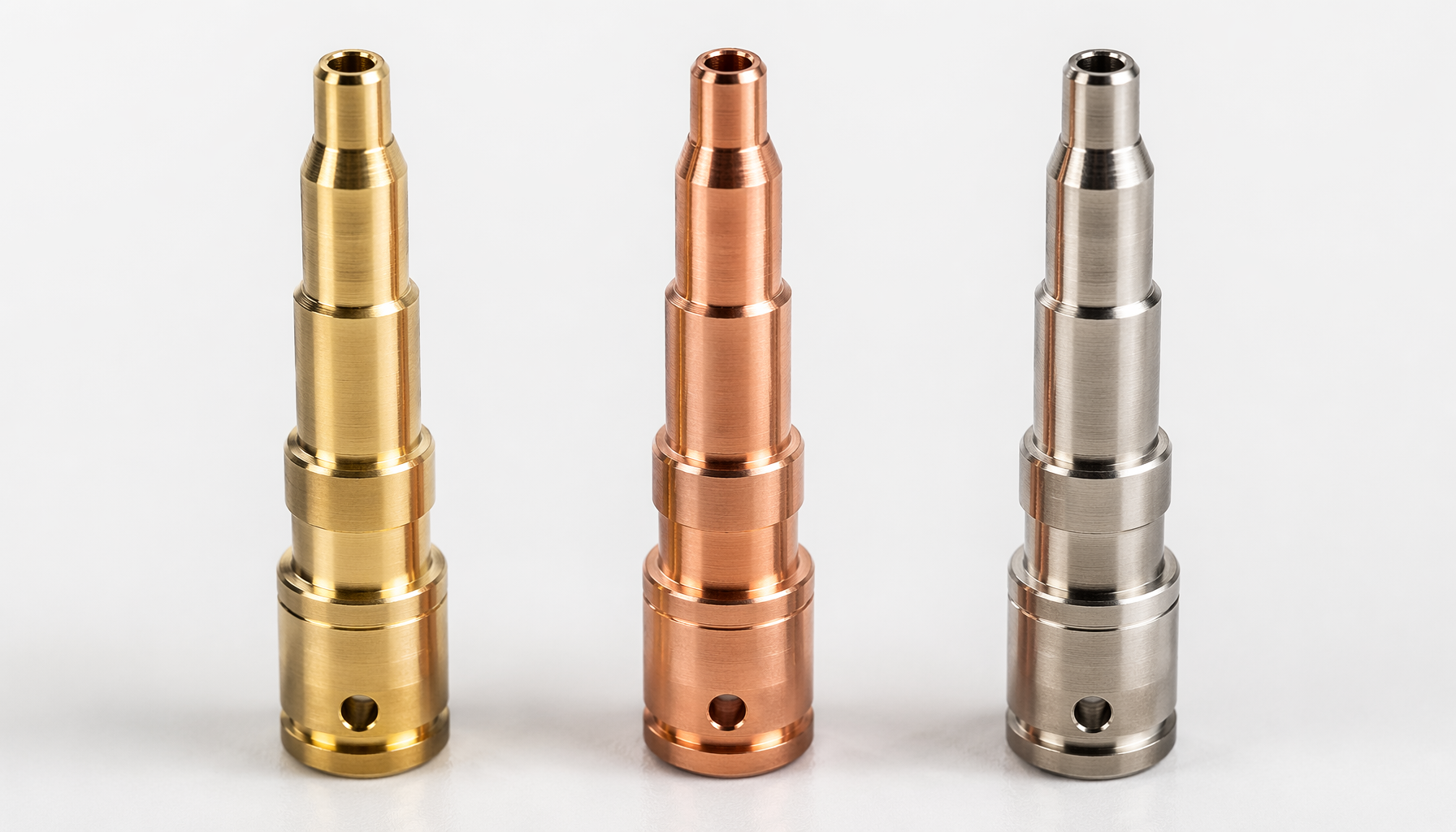
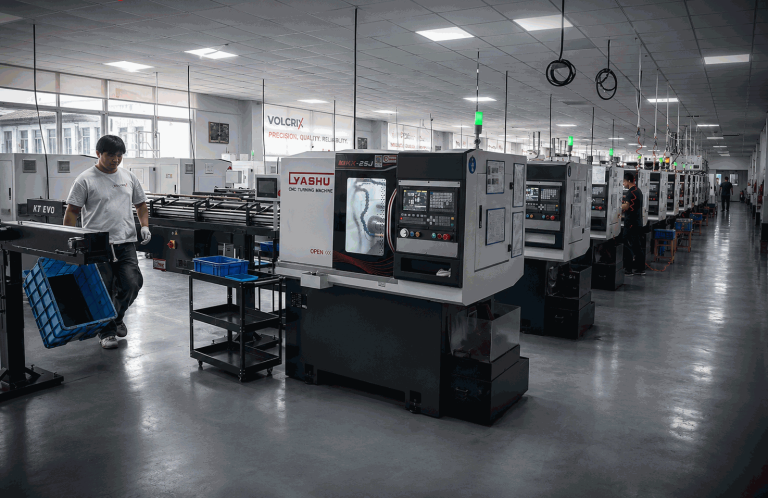
Direct answer: Copper alloy selection for EV charging pins depends on current rating, operating temperature, mating cycles, and cost target. C11000 ETP copper is used for AC charging pins under 80A continuous. C18150 chromium-zirconium copper is used for DC fast charging pins above 150A continuous due to superior strength and thermal stability. C36000 brass is used for low-cost signal pins. VOLCRIX has machined EV charging pins from all three alloys since 1991 on 60+ Japanese Star Swiss turning machines with plus or minus 0.01 mm tolerances.
Ready to Start Your EV Charging Pin Materials Project?
Free DFM review · Quote within 24 hours · Prototype in 7–15 days
Common Applications
- C11000 ETP copper charging pins — for AC Level 1 and Level 2 charging applications up to 80A continuous
- C18150 chromium-zirconium copper pins — for DC fast charging applications above 150A continuous including CCS1, CCS2, NACS, and liquid-cooled high-power charging
- C36000 brass signal pins — for low-current control pilot and proximity detection pins in charging connectors
- Beryllium copper spring contacts — for charging connector latch mechanisms and spring-loaded signal contacts requiring high cycle life
Manufacturing Support from VOLCRIX
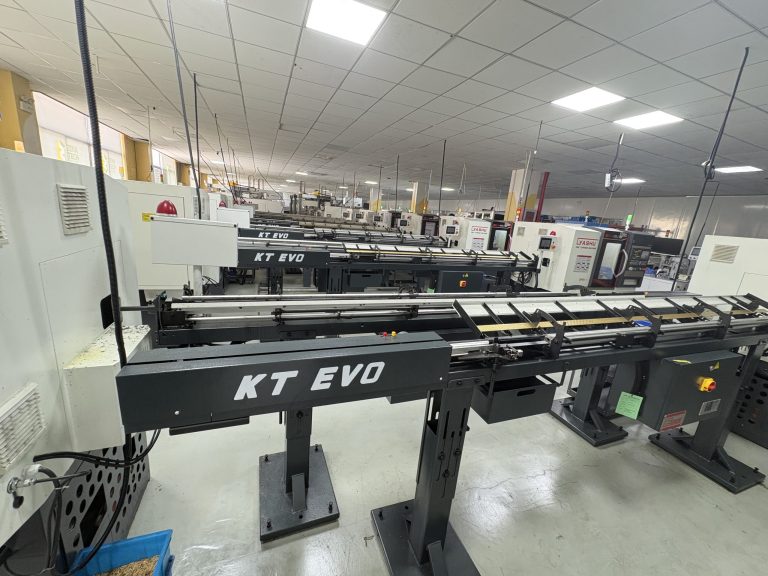
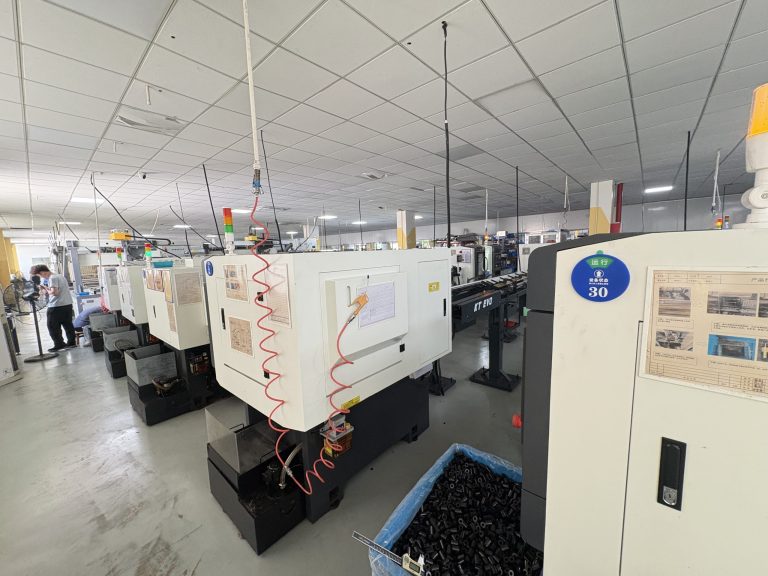
- 60+ Japanese Star Swiss turning machines — with material-specific tooling and cutting parameters optimized for copper alloys (C11000, C18150, C36000) and stainless steel
- Spectrometer material verification — for incoming raw material inspection per ASTM B49 for copper and ASTM A484 for stainless, with chemical composition traceable to mill certificates
- In-house heat treatment — for precipitation hardening of C18150 Cr-Zr copper pins to achieve specified tensile strength and conductivity (typically 90 percent IACS minimum)
- Full material traceability — per IATF 16949 requirements, including raw material heat lot, processing date, and full FAI documentation per production batch
Buyer Checklist
- Specify material grade using UNS designation — e.g. UNS C18150 for chromium-zirconium copper, UNS C11000 for ETP copper, UNS C36000 for free-machining brass
- Define current rating for the application — under 80A continuous for AC charging, 80-200A for DC fast charging, above 200A for high-power liquid-cooled charging
- Indicate operating temperature range — standard charging operates -40 to 85 degrees C, high-power charging with liquid cooling operates up to 120 degrees C
- Specify material certification requirements — mill certificate per ASTM B49 for copper, per ASTM A484 for stainless, plus heat lot traceability for IATF 16949
Related Custom Manufacturing Services
- Custom EV Charging Pins — Type 2, CCS, NACS contact pins
- EV Charging Pin Quality Control — QC procedures
- Connector Pin Manufacturer Guide — complete OEM guide
- NACS Tesla Charging Pin Manufacturing — NACS-specific requirements
FAQ
What is the difference between C11000 and C18150 copper for EV charging pins?
C11000 ETP Electrolytic Tough Pitch copper is the standard high-conductivity copper at 100 percent IACS International Annealed Copper Standard with 0.04 percent oxygen content. C18150 chromium-zirconium copper is a precipitation-hardened alloy with 0.5-1.5 percent chromium and 0.05-0.25 percent zirconium, providing 90 percent IACS minimum conductivity but with significantly higher tensile strength 480 MPa minimum vs 220 MPa for C11000 and superior softening resistance at elevated temperatures above 200 degrees C. C18150 is preferred for DC fast charging pins where thermal management and strength at temperature are critical, while C11000 is sufficient for AC charging pins under 80A continuous.
Why is C18150 chromium-zirconium copper used for DC fast charging?
DC fast charging pins operate at higher current 150-500A continuous and higher temperature 80-120 degrees C due to I squared R heating. C11000 ETP copper softens significantly above 200 degrees C, losing mechanical strength and spring force at the contact zone. C18150 Cr-Zr copper maintains its strength up to 425 degrees C due to the chromium and zirconium precipitates that pin dislocations and resist grain growth. This translates to longer contact life, lower contact resistance over time, and reduced risk of pin deformation or failure in high-power charging applications.
When should I use C36000 brass instead of copper?
C36000 free-machining brass contains 60-63 percent copper, 35.5-38.5 percent zinc, and 2.5-3.7 percent lead, providing excellent machinability 100 percent rating vs 20 percent for pure copper and lower cost. C36000 is used for low-current signal pins in charging connectors, including control pilot pins, proximity detection pins, and interlock switch contacts. C36000 brass has 26 percent IACS conductivity — too low for power-carrying pins but adequate for low-current signals. Avoid C36000 for power pins above 5A continuous current.
What standards apply to copper materials for EV charging pins?
ASTM B49 covers copper rod drawing stock for electrical purposes, including C11000 ETP copper. UNS designations are standardized by ASTM E527 and SAE J1086. ASTM B301 covers free-machining brass rod and bar including C36000. For aerospace applications, AMS specifications like AMS 4533 (C17200 beryllium copper) and AMS 4507 (C11000 copper) apply. European equivalents: EN 1652 for copper plate, sheet, strip, EN 12164 for copper rod for free machining. RoHS 3 and REACH compliance required for European market access.
Ready to Start Your EV Charging Pin Materials Project?
Free DFM review · Quote within 24 hours · Prototype in 7–15 days
Certifications, Standards & Compliance
VOLCRIX products are built to international standards and customer specifications:
- ISO 9001:2015 — Quality management system
- IATF 16949 — Automotive quality management
- ASTM B49 — Copper rod drawing stock specification
- ASTM B301 — Free-machining brass rod specification
- UNS C11000 / C18150 / C36000 — UNS designations per ASTM E527
- IEC 62196-2 — Type 2 EV charging connector
- SAE J3400 — NACS North American Charging Standard
- RoHS 3 (EU 2015/863) — Restriction of Hazardous Substances
For specific compliance questions contact our sales team.

[…] our material selection guide for a deeper breakdown of alloy […]