

How to Source EV Charging Pins: A Buyer’s Guide for Charging Gun Manufacturers
Direct answer: Sourcing EV charging pins requires evaluating suppliers on five criteria: connector standard compliance (IEC 62196-2, IEC 62196-3, SAE J3400, GB/T 20234), IATF 16949 automotive certification, in-house plating capability, full FAI documentation, and UL 2251 safety certification. Request FAI samples and PPAP submission before volume commitment. VOLCRIX has supplied EV charging pins to charging gun manufacturers, charging station OEMs, and automotive Tier 1 suppliers since 1991.
Ready to Start Your EV Charging Pin Sourcing Project?
Free DFM review · Quote within 24 hours · Prototype in 7–15 days
Common Applications
- Charging gun manufacturer charging pins — for AC and DC charging gun assemblies supplying public charging stations, workplace charging, fleet operators, and home charging markets
- Charging station OEM charging pins — for AC Level 2 charging stations 7 kW to 22 kW and DC fast charging stations 50 kW to 350 kW deployed across public charging networks
- Vehicle inlet charging pins — for OEM automotive inlets including Type 2 IEC 62196-2, CCS Combo 1, CCS Combo 2, NACS SAE J3400, and GB/T 20234 standards
- Charging cable adapter pins — for NACS to CCS adapters, CHAdeMO to CCS adapters, and other cross-standard charging adapters during the global EV transition
Manufacturing Support from VOLCRIX
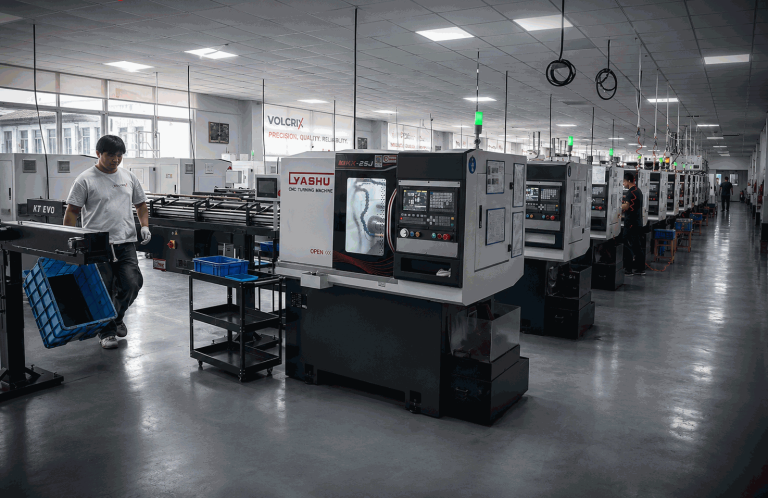
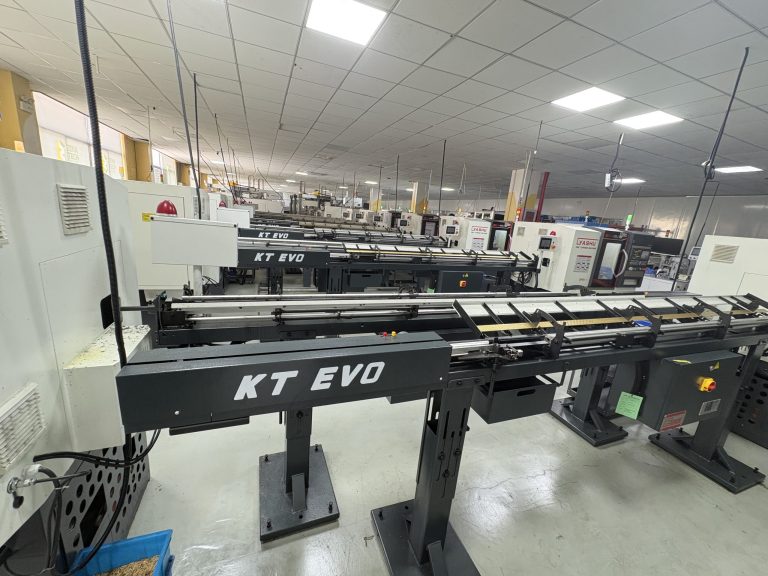
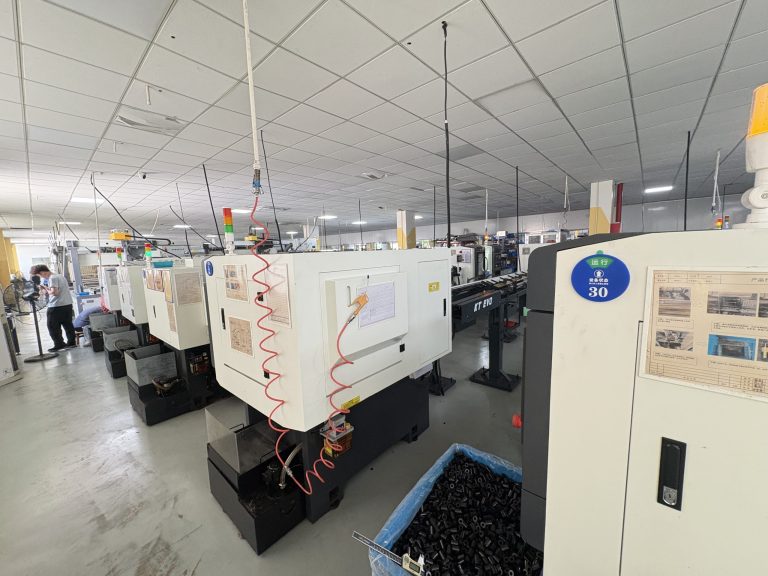
- 60+ Japanese Star Swiss turning machines — for high-volume EV charging pin production with material-specific tooling optimized for C11000 and C18150 copper alloys
- Multi-standard compliance — to IEC 62196-2 Type 2, IEC 62196-3 CCS, SAE J3400 NACS, GB/T 20234, and UL 2251 with material and plating certification per each standard
- In-house silver plating coordination — with XRF thickness verification per ASTM B568, 3-5 micrometers for indoor applications, 5-8 micrometers for outdoor harsh environment charging stations
- IATF 16949 automotive quality system — with PPAP submission capability for OEM programs including dimensional inspection, material certificates, FAI reports
Buyer Checklist
- Verify connector standard compliance — IEC 62196-2 for Type 2, IEC 62196-3 for CCS, SAE J3400 for NACS, GB/T 20234 for China, UL 2251 for North American safety
- Confirm IATF 16949 or ISO 9001 certification through iatfglobaloversight.org or certification body database
- Request sample FAI report with full dimensional inspection, material certificate, plating certificate, and salt spray testing for outdoor applications
- Ask for customer references in your specific application — charging gun manufacturer, charging station OEM, automotive Tier 1 supplier
Related Custom Manufacturing Services
- Custom EV Charging Pins — Type 2, CCS, NACS contact pins
- NACS Tesla Charging Pin Manufacturing — NACS-specific requirements
- EV Charging Pin Materials Guide — copper alloy selection
- EV Charging Pin Sourcing FAQ — 10 buyer questions answered
FAQ
What connector standards do EV charging pins need to comply with?
EV charging pins must comply with the connector standard for the target market. North America: SAE J3400 NACS for new vehicles and charging stations 2025+ and SAE J1772 for legacy AC charging, UL 2251 for safety certification. Europe: IEC 62196-2 Type 2 for AC charging, IEC 62196-3 CCS2 for DC fast charging, EN 50581 for RoHS. China: GB/T 20234.2 for AC and GB/T 20234.3 for DC charging, CCC certification required.
How do I verify a supplier is IATF 16949 certified?
Verify IATF 16949 certification through the IATF global oversight database at iatfglobaloversight.org. Search by company name or certificate number to confirm: certificate is current and not expired, issuing certification body is IATF-accredited, certification scope covers your product category connector or precision machining, no suspensions or major findings outstanding. VOLCRIX IATF 16949 certification is verifiable through IATF database.
What is the typical lead time for EV charging pin samples?
Prototype sample lead time is 7-15 working days after drawing approval and PO. For repeat designs with existing tooling, lead time reduces to 3-7 working days. Express prototype service is available for 5-7 day delivery at premium pricing. Total timeline including RFQ preparation, DFM review, quote approval, sample production, and shipping: 2-4 weeks from initial inquiry to received samples.
What is the typical cost of EV charging pins?
EV charging pin pricing depends on material grade, pin geometry, current rating, plating specification, and annual volume. AC charging pins C11000 ETP copper, silver plated, 100K pieces annually: 0.50-2.00 USD per piece. DC fast charging pins C18150 Cr-Zr copper, silver plated, 100K pieces annually: 2.00-8.00 USD per piece. Tooling cost: 3,000-15,000 USD for new Swiss turning setup.
Ready to Start Your EV Charging Pin Sourcing Project?
Free DFM review · Quote within 24 hours · Prototype in 7–15 days
Certifications, Standards & Compliance
VOLCRIX products are built to international standards and customer specifications:
- ISO 9001:2015 — Quality management system
- IATF 16949 — Automotive quality management
- IEC 62196-2 — Type 2 EV charging connector standard
- IEC 62196-3 — CCS Combined Charging System standard
- SAE J3400 — NACS North American Charging Standard
- UL 2251 — EV charging plug/receptacle safety
- ASTM B700 — Silver plating specification
- ASTM B568 — X-ray thickness measurement
For specific compliance questions contact our sales team.