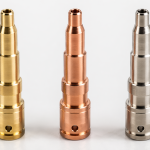
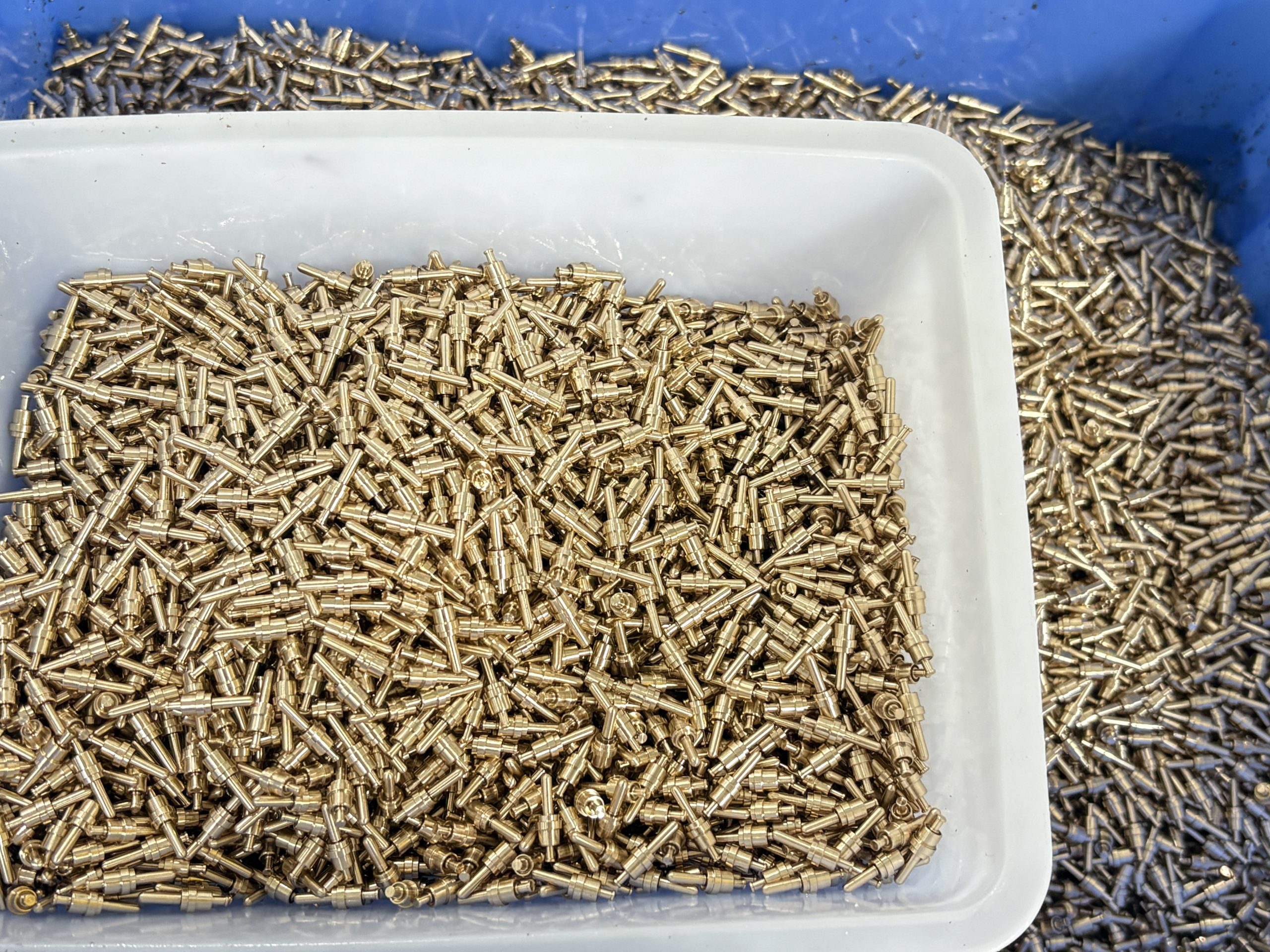

Custom Brass Turned Parts: Precision Machining for Connectors and Fittings
Direct answer: Custom brass turned parts are precision machined from C36000 free-machining brass (60-63 percent copper, 35-38 percent zinc, 2.5-3.7 percent lead), offering 100 percent machinability rating and 26 percent IACS electrical conductivity. C36000 brass is the preferred material for connector bodies, threaded fittings, valve components, and electronic terminal pins. VOLCRIX has machined custom brass turned parts since 1991 on 60+ Japanese Star Swiss turning machines with plus or minus 0.01 mm tolerances.
Ready to Start Your Custom Brass Turned Parts Project?
Free DFM review · Quote within 24 hours · Prototype in 7–15 days
Common Applications
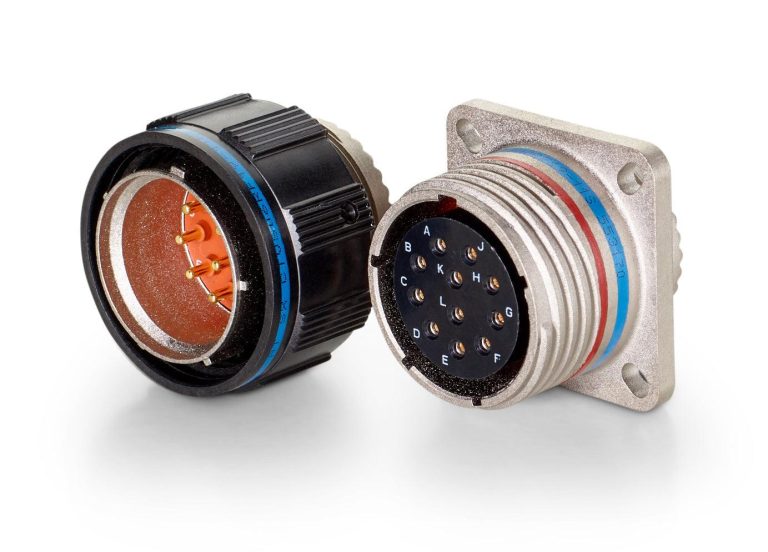
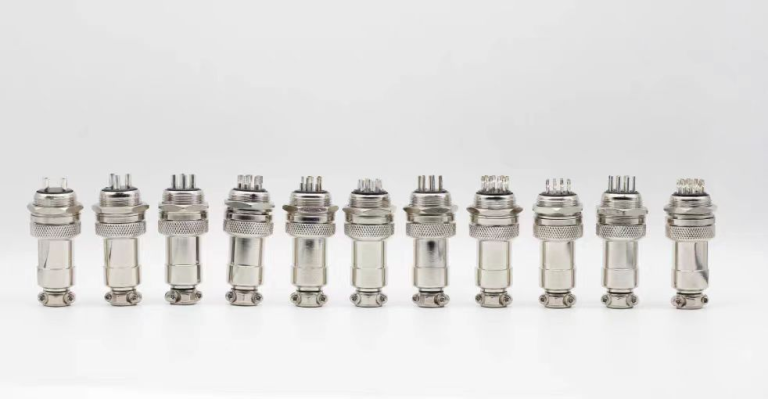
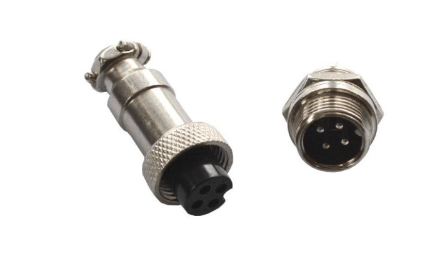
- Electronic connector bodies and pins — for D-sub connectors, circular connectors, RF connectors, audio jacks, and PCB headers requiring precise thread tolerances
- Threaded pipe fittings and adapters — for NPT, BSP, JIC, ORFS, and metric threads per ISO 228, ANSI B1.20.1, and SAE J514 specifications
- Valve and fitting bodies — for ball valves, check valves, needle valves, and flow control fittings in fluid handling systems
- Industrial instrument components — for gauges, meters, sensors, and instrumentation housings requiring precision threading and sealing surface finishes
Manufacturing Support from VOLCRIX
- 60+ Japanese Star Swiss turning machines — for brass turned parts with material-specific tooling optimized for C36000 brass 100 percent machinability rating
- Internal and external thread rolling and cutting — for M2 to M30 threads per ISO 261 and ASME B1.13M, with controlled thread profile and surface finish
- Tight tolerance machining — plus or minus 0.01 mm on critical diameters, plus or minus 0.005 mm on premium applications, verified on Zeiss CMM
- Spectrometer material verification — for incoming C36000 brass material composition verification per ASTM B301
Buyer Checklist
- Specify brass grade using UNS designation — e.g. UNS C36000 for free-machining brass, UNS C26000 for cartridge brass
- Define thread specification including thread type NPT, BSP, metric, thread size, thread class 2B/2A or 3B/3A for internal/external threads
- Indicate surface finish requirements — Ra 1.6 micrometers standard for general, Ra 0.8 micrometers for sealing surfaces, plating specification if applicable
- Specify material certification requirements — ASTM B301 for C36000, RoHS 3 compliance for European markets
Related Custom Manufacturing Services
- Custom Precision Pins — brass connector pins
- How to Source CNC Turned Parts — CNC turning sourcing
- Stainless Steel Turned Parts Guide — stainless steel turning
- Custom Precision Shafts — Swiss turned shafts
FAQ
What is C36000 free-machining brass?
C36000 is the most popular free-machining brass alloy, containing 60-63 percent copper, 35.5-38.5 percent zinc, 2.5-3.7 percent lead, and small additions of iron and other elements. C36000 has a 100 percent machinability rating (the benchmark for machinability comparison) due to the lead content which acts as a chip breaker and lubricant during machining. Electrical conductivity is 26 percent IACS, sufficient for low-current applications. Common applications: connector bodies, valve fittings, threaded fasteners, instrument components, decorative hardware.
What is the difference between C36000 and C26000 brass?
C36000 free-machining brass contains 2.5-3.7 percent lead for superior machinability 100 percent rating. C26000 cartridge brass contains 30 percent zinc with no lead addition and has 30 percent machinability rating — slower to machine but suitable for cold forming, deep drawing, and applications requiring higher ductility. C26000 has 30 percent IACS electrical conductivity versus 26 percent for C36000. C36000 is preferred for high-volume CNC turning where machining speed is critical.
What plating is used for brass turned parts?
Common plating for brass turned parts: tin plating 3-8 micrometers for electrical contacts and solderability, nickel plating 5-15 micrometers for corrosion resistance, chrome plating 0.2-0.5 micrometers decorative over nickel underplate, silver plating 3-5 micrometers for high-current electrical contacts, gold plating 0.5-1 micrometer over nickel for low-current signal contacts. Plating thickness verified with XRF per ASTM B568 or eddy current per ASTM B499. Brass requires nickel underplate before gold or silver to prevent zinc diffusion that causes blistering and adhesion failure.
Is C36000 brass RoHS compliant?
C36000 brass contains 2.5-3.7 percent lead which exceeds the RoHS 2 limit of 0.1 percent for lead in homogeneous materials. However, RoHS Annex III exemption 6c allows lead as an alloying element in copper alloy containing up to 4 percent lead by weight. C36000 at 2.5-3.7 percent lead is within this exemption and is RoHS compliant for electrical and electronic equipment. For applications requiring lead-free brass: C26000 cartridge brass contains no lead but has lower machinability.
Ready to Start Your Custom Brass Turned Parts Project?
Free DFM review · Quote within 24 hours · Prototype in 7–15 days
Certifications, Standards & Compliance
VOLCRIX products are built to international standards and customer specifications:
- ISO 9001:2015 — Quality management system
- IATF 16949 — Automotive quality management
- ASTM B301 — Free-machining brass rod and bar
- UNS C36000 — Free-machining brass designation
- UNS C26000 — Cartridge brass designation
- ASTM B16 — Free-machining brass rod specification
- EN 12164 — European standard for copper alloys
- RoHS 3 (EU 2015/863) — Restriction of Hazardous Substances
For specific compliance questions contact our sales team.