
Custom Plastic Injection Molding: Precision Insert Molding and Overmolding
Direct answer: Custom plastic injection molding for precision insert molding and overmolding requires multi-process capability including Swiss turning for metal inserts, plastic injection molding for the housing, and robotic pick-and-place for insert loading. Insert molding combines metal and plastic in a single molded component with strong bond strength, while overmolding adds a soft TPE or TPU layer over a rigid substrate. VOLCRIX has operated integrated insert molding and overmolding since 1991 on 60+ Swiss turning machines plus 20 injection molding machines.
Need Custom Plastic Insert Molding?
Free DFM review · Quote within 24 hours · Prototype in 7–15 days
Common Applications
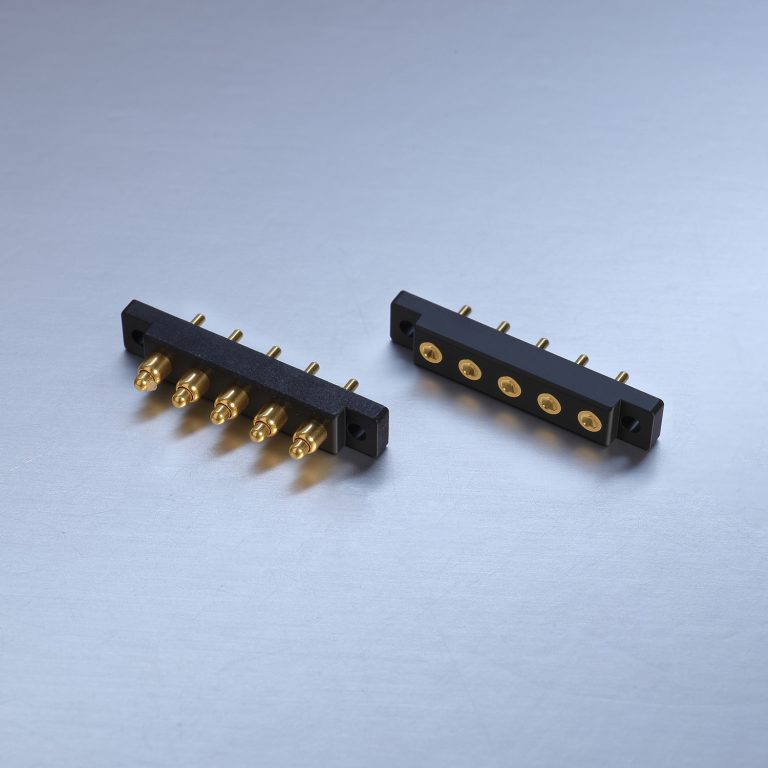
- Connector insert molding — for metal connector pins molded into plastic housings creating sealed electrical connections with integrated strain relief
- Sensor housing overmolding — for medical sensors, automotive sensors, and industrial sensors requiring sealed cable-to-housing transitions
- Battery component insert molding — for EV battery management system components including busbar inserts, BMS contact pins, and cell voltage monitoring
- Electronic component encapsulation — for PCB-mounted components, transformer coils, and inductor cores requiring environmental sealing and mechanical protection
Manufacturing Support from VOLCRIX
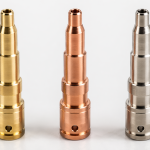
- 60+ Japanese Star Swiss turning machines — for precision metal inserts including connector pins, threaded inserts, and busbar contacts used in insert molding
- 20 injection molding machines — from 50 tons to 200 tons clamping pressure for insert molding and overmolding of plastic components
- Robotic pick-and-place integration — for automated insert loading into mold cavities with consistent positioning and cycle time below 30 seconds
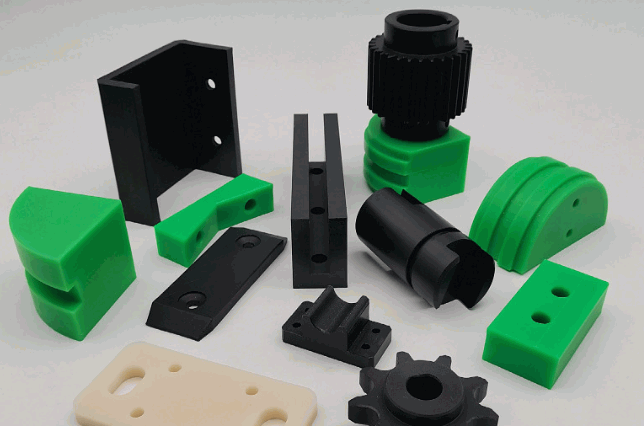
- Multi-material molding capability — for ABS, PC, PA66, POM, TPE, TPU including rigid-to-soft overmolding combinations
Buyer Checklist
- Define insert material and geometry — C11000 copper, C36000 brass, stainless steel 303 inserts with knurled or stamped retention features
- Specify plastic material — ABS, PC, PA66 for rigid housings, TPE/TPU for soft-touch overmolding, glass-filled for structural strength
- Indicate molding tolerance — ±0.05 mm standard for insert molding, ±0.025 mm for precision applications, ±0.1 mm for cosmetic parts
- Specify cycle time and volume — 15-30 seconds typical for insert molding, annual volume from 100K to 10M pieces
Related Custom Manufacturing Services
- Custom Injection Molded Plastic Parts — VOLCRIX injection molding
- Custom Precision Pins — metal inserts for insert molding
- Why Plastic Injection Molding Is the Standard — injection molding economics
- Integrated Manufacturing for OEM — integrated manufacturing
FAQ
What is insert molding?
Insert molding is a plastic injection molding process where metal or other rigid components are placed into the mold cavity before plastic injection. The injected plastic flows around the insert creating a mechanical interlock and chemical bond between the plastic and insert. Common insert materials include brass threaded inserts, copper electrical contacts, stainless steel busbars, and sensor elements. Insert molding combines multiple manufacturing processes into a single finished component, reducing assembly cost and improving reliability.
What is the difference between insert molding and overmolding?
Insert molding places a pre-formed rigid insert into the mold before plastic injection, with the plastic encapsulating part of the insert. Overmolding applies a second layer of plastic (typically soft TPE or TPU) over an existing rigid substrate. Insert molding combines metal and plastic in a single component. Overmolding combines two plastics or a plastic with a soft-touch layer. Both processes create integrated multi-material components. VOLCRIX runs both processes in-house under one quality system.
What materials are used for insert molding?
Common insert materials for insert molding include C11000 copper for electrical contacts, C36000 brass for threaded inserts, stainless steel 303 for corrosion-resistant applications, and aluminum 6061 for weight-sensitive components. Insert design includes knurled surfaces, stamped retention features, or through-holes for plastic flow to create mechanical interlock. Plastic materials for insert molding include ABS, PC, PA66, POM, PPS, and LCP for high-temperature applications.
What is the cycle time for insert molding?
Typical cycle time for insert molding ranges from 15 to 60 seconds depending on part size, plastic material, and insert loading method. Manual insert loading typically results in 30 to 60 second cycles due to operator handling time. Robotic pick-and-place insert loading achieves 15 to 30 second cycles with consistent insert positioning. Multi-cavity molds with robotic loading can produce 100+ parts per minute. Cycle time optimization balances insert loading precision, plastic flow time, cooling time, and ejection time.
Need Custom Plastic Insert Molding?
Free DFM review · Quote within 24 hours · Prototype in 7–15 days
Certifications, Standards & Compliance
- ISO 9001:2015 — Quality management system
- IATF 16949 — Automotive quality management
- UL 94 — Flammability rating for plastic components
- ASTM D638 — Tensile properties of plastics
- ASTM D790 — Flexural properties of plastics
- FDA 21 CFR — Food contact material compliance
- RoHS 3 (EU 2015/863) — Restriction of Hazardous Substances
- REACH (EC 1907/2006) — Chemical regulation
For specific compliance questions contact our sales team.