
Automotive Precision Turned Parts: Sourcing for Tier 1 and OEM Programs
Direct answer: Automotive precision turned parts require IATF 16949 certified manufacturing with PPAP submission, full material traceability, and SPC data collection. Tier 1 and OEM buyers source these parts from suppliers with established IATF 16949 quality systems, Star Swiss turning capability, and experience with automotive PPAP processes. VOLCRIX has supplied precision turned parts to Tier 1 and OEM automotive customers since 1991 under IATF 16949 quality system.
Ready to Start Your Automotive Precision Turned Parts Project?
Free DFM review · Quote within 24 hours · Prototype in 7–15 days
Common Applications
- Precision sensor housings — for automotive sensors including pressure sensors, position sensors, temperature sensors, and oxygen sensors requiring tight tolerance machined stainless steel or aluminum housings
- Fuel injector components — for gasoline and diesel fuel injectors requiring tight tolerance stainless steel bodies, nozzle nuts, and solenoid components
- EV battery contact pins — for lithium-ion battery packs including cell-to-busbar connections, BMS contact pins, and high-voltage interlock connectors requiring copper alloy pins with gold or silver plating
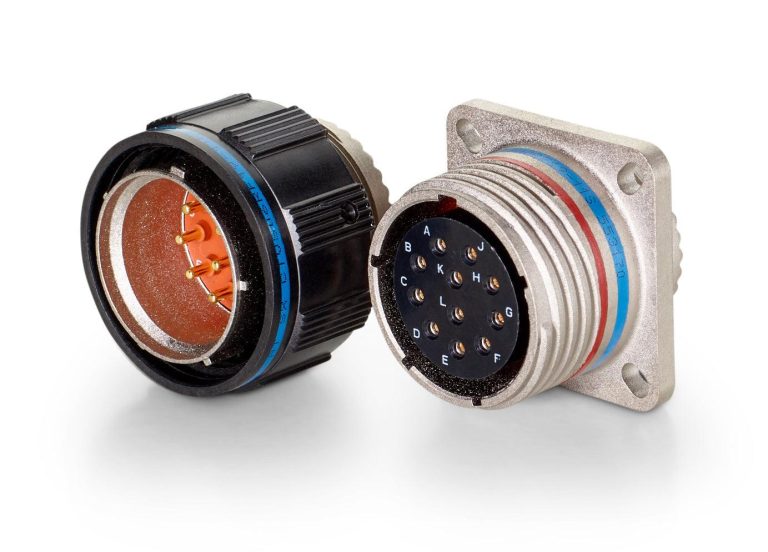
- Charging connector components — for EV charging inlets including Type 2 IEC 62196-2, CCS, and NACS SAE J3400 charging pins, signal contacts, and latch mechanisms
Manufacturing Support from VOLCRIX
- IATF 16949 automotive certification — the global automotive industry quality management standard replacing ISO/TS 16949, required for Tier 1 and OEM automotive supply
- PPAP submission capability — Production Part Approval Process including dimensional inspection, material certification, FAI report, control plan, PFMEA, and MSA studies per AIAG PPAP 4th edition
- 60+ Star Swiss turning machines — for precision turned parts from 0.5 mm to 25 mm diameter range, plus or minus 0.01 mm tolerances verified on Zeiss CMM
- Full material traceability — per IATF 16949 requirements with raw material heat lot traceability, processing records, and shipment traceability per part number
Buyer Checklist
- Verify IATF 16949 certification is current and covers your product category through the IATF global oversight database iatfglobaloversight.org
- Confirm PPAP submission capability — request sample PPAP package including FAI report, material certificates, control plan, PFMEA, and MSA study
- Request customer references in your specific automotive application area — Tier 1 suppliers to your OEM are typically the best reference
- Specify OEM-specific quality requirements — Ford Q1, GM BIQS, Toyota ASES, Volkswagen Formel Q customer-specific PPAP requirements
Related Custom Manufacturing Services
- Automotive Parts Manufacturer — IATF 16949 certified automotive parts
- Custom Precision Shafts — Swiss turned shafts for automotive
- Custom EV Charging Pins — Type2, CCS, NACS contact pins
- Custom Precision Pins — Swiss turning parts catalog
FAQ
What is IATF 16949 and why is it required for automotive precision parts?
IATF 16949 is the global automotive industry quality management standard, replacing ISO/TS 16949 in 2016. IATF 16949 covers quality management system requirements for the design, development, production, installation, and servicing of automotive-related products. Required by major OEMs Ford, GM, Toyota, BMW, Mercedes, Volkswagen, Hyundai and their Tier 1 suppliers. IATF 16949 includes ISO 9001:2015 requirements plus automotive-specific requirements including product safety, risk management, change management, and supplier development.
What is PPAP and how does it work?
PPAP Production Part Approval Process is the automotive industry standard for new part introduction per AIAG PPAP 4th edition. PPAP submission typically includes 18 elements: design records, authorized engineering change documents, customer engineering approval, DFMEA, PFMEA, process flow diagram, control plan, MSA studies, dimensional inspection results, material certificates, initial process studies Cpk, initial sample production parts, qualified laboratory documentation, appearance approval report, sample production parts, master sample, checking aids, customer-specific requirements. PPAP level 3 is the most common submission level with full documentation package.
What is the difference between Tier 1 and Tier 2 automotive suppliers?
Tier 1 suppliers sell directly to OEMs and are responsible for major sub-assemblies and complex components. Tier 1 suppliers typically have higher quality requirements including IATF 16949 certification, OEM-specific quality systems Ford Q1, GM BIQS, etc., and longer-term contracts. Tier 2 suppliers sell to Tier 1 suppliers and provide sub components, materials, and services. Tier 2 suppliers focus on manufacturing capability, cost competitiveness, and Tier 1 customer relationship management. VOLCRIX supplies both Tier 1 suppliers direct OEM relationships and Tier 2 suppliers to Tier 1.
What is the typical margin for automotive precision parts?
Automotive precision parts typically have 15-35 percent gross margin for Tier 2 suppliers and 8-20 percent gross margin for Tier 1 suppliers. Margin depends on volume, complexity, tooling investment, and competitive landscape. High-volume commodity parts have lower margins 8-15 percent, while complex safety-critical parts have higher margins 20-35 percent. Tooling investment recovery through amortization in the first 1-2 years of production is standard practice. Annual price-down requirements of 3-5 percent are common in automotive contracts.
Ready to Start Your Automotive Precision Turned Parts Project?
Free DFM review · Quote within 24 hours · Prototype in 7–15 days
Certifications, Standards & Compliance
VOLCRIX products are built to international standards and customer specifications:
- ISO 9001:2015 — Quality management system
- IATF 16949 — Automotive quality management
- VDA 6.3 — German automotive process audit
- AIAG PPAP — Production Part Approval Process
- AIAG APQP — Advanced Product Quality Planning
- AIAG FMEA — Failure Mode and Effects Analysis
- AIAG MSA — Measurement System Analysis
- AIAG SPC — Statistical Process Control
For specific compliance questions contact our sales team.