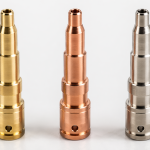


How to Improve Connector Stability in Modern Electronic Systems
Direct answer: Connector stability in modern electronic systems depends on four factors: precision machined pin geometry with plus or minus 0.01 mm tolerances, appropriate spring force and contact design, robust locking and latching mechanisms, and proper material selection including plating specification. VOLCRIX has manufactured connector components for stable electronic systems since 1991 on 60+ Japanese Star Swiss turning machines with full IATF 16949 quality system.
Ready to Start Your Connector Stability Components Project?
Free DFM review · Quote within 24 hours · Prototype in 7–15 days
Common Applications
- Automotive connector stability — for in-vehicle electronics, ADAS sensors, infotainment systems, and powertrain connectors requiring reliable mating under vibration
- Industrial connector stability — for factory automation, process control, and harsh environment connectors with high mating cycle requirements
- Telecommunications connector stability — for base station equipment, network infrastructure, and 5G components with stable RF performance requirements
- Medical connector stability — for diagnostic equipment, patient monitoring, and surgical instruments requiring reliable connections during medical procedures
Manufacturing Support from VOLCRIX
- 60+ Japanese Star Swiss turning machines — for precision connector pins with plus or minus 0.01 mm tolerances verified on Zeiss CMM
- Tight tolerance machining — ensuring consistent pin geometry, spring force, and contact resistance across production batches
- In-house spring manufacturing — for spring-loaded contacts, latching mechanisms, and vibration-resistant connector components
- Multi-material expertise — — copper alloys, stainless steel, beryllium copper for springs, plus specialty alloys for extreme environment applications
Buyer Checklist
- Specify operating environment — temperature range, vibration level, humidity, chemical exposure, and mating cycle requirements
- Define stability requirements — contact resistance stability over time, mating force, retention force, and vibration resistance per IEC 60512
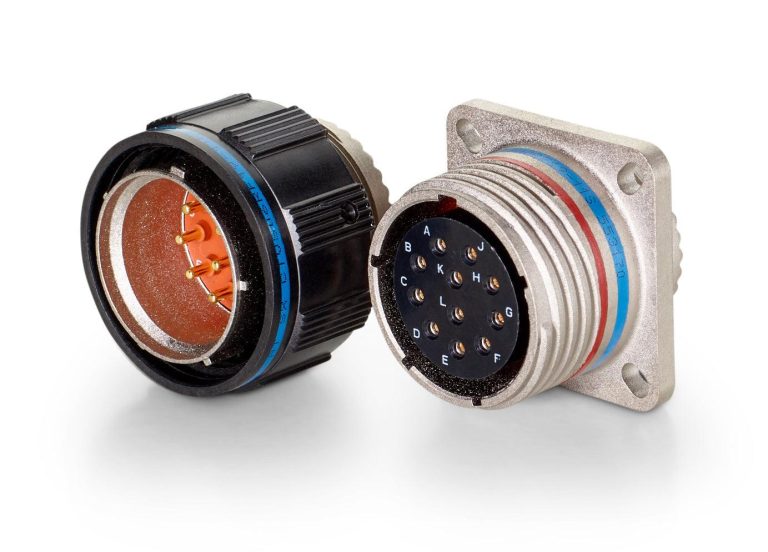
- Indicate connector standard — IEC 61076, MIL-DTL-38999, IEC 62196, or customer-specific specifications
- Specify test requirements — vibration testing per IEC 60068, mechanical shock, thermal cycling, and accelerated aging tests
Related Custom Manufacturing Services
- Custom Precision Pins — connector pins, contact pins, spring pins
- Connector Pin Manufacturer Guide — complete OEM buyer guide
- Custom EV Charging Pins — Type 2, CCS, NACS contact pins
- Custom Precision Shafts — Swiss turned shafts
FAQ
What factors affect connector stability?
Four key factors affect connector stability: 1. Precision machined pin geometry with tight plus or minus 0.01 mm tolerances for consistent contact. 2. Spring force and contact design — proper spring force ensures consistent contact pressure despite vibration and thermal expansion. 3. Locking and latching mechanisms — robust mechanical locks prevent accidental disconnection. 4. Material selection and plating specification — appropriate plating reduces oxidation and maintains low contact resistance over time.
How do you test connector stability?
Connector stability is tested per IEC 60512 (connectors for electronic equipment) which covers: contact resistance stability under thermal cycling, mating cycle durability typically 10,000 cycles for consumer, 100,000 cycles for industrial, vibration testing per IEC 60068-2-6, mechanical shock testing, salt spray ASTM B117 for corrosion resistance, and accelerated aging per Arrhenius model. VOLCRIX performs FAI inspection per production batch with material and plating certificates.
What materials are best for stable connectors?
Best materials for connector stability: copper alloys for conductivity (C11000 ETP copper, C18150 Cr-Zr copper), beryllium copper for spring contacts with high cycle life, stainless steel 303 or 316 for harsh environment housings, high-temperature plastics for connector bodies including LCP, PPS, and PBT. Plating specification: gold over nickel for low-current signal contacts, silver for high-current power contacts, tin for cost-effective applications.
What is the typical mating cycle life of precision connectors?
Typical mating cycle life: consumer connectors 10,000 cycles, industrial connectors 100,000 cycles, automotive connectors 50,000 cycles, military aerospace 500+ cycles, EV charging connectors 10,000-30,000 cycles. Mating cycle life is determined by spring material (beryllium copper for high cycle), plating (gold over nickel for low wear), contact force design (lower force = longer life), and precision of pin geometry. VOLCRIX builds to customer-specified cycle life with FAI cycle testing available on request.
Ready to Start Your Connector Stability Components Project?
Free DFM review · Quote within 24 hours · Prototype in 7–15 days
Certifications, Standards & Compliance
VOLCRIX products are built to international standards and customer specifications:
- ISO 9001:2015 — Quality management system
- IATF 16949 — Automotive quality management
- IEC 60512 — Connectors for electronic equipment tests
- IEC 60068-2-6 — Environmental testing vibration
- MIL-DTL-38999 — Military circular connectors
- ASTM B117 — Salt spray testing
- ASTM B700 — Silver plating specification
- RoHS 3 (EU 2015/863) — Restriction of Hazardous Substances
For specific compliance questions contact our sales team.