
Precision Components Used in EV Charging Systems: 8 Critical Parts Explained
Direct answer: EV charging systems use 8 critical precision components: charging connector pins (power and signal), latch and locking mechanisms, alignment guides, sealing gaskets, thermal sensors, communication chips, cable strain reliefs, and enclosure fasteners. Each component requires precision manufacturing to meet IEC 62196-2, SAE J3400, and UL 2251 safety standards. VOLCRIX has manufactured precision components for EV charging systems since 1991 on 60+ Japanese Star Swiss turning machines.
Ready to Start Your EV Charging Precision Components Project?
Free DFM review · Quote within 24 hours · Prototype in 7–15 days
Common Applications
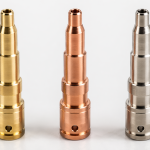
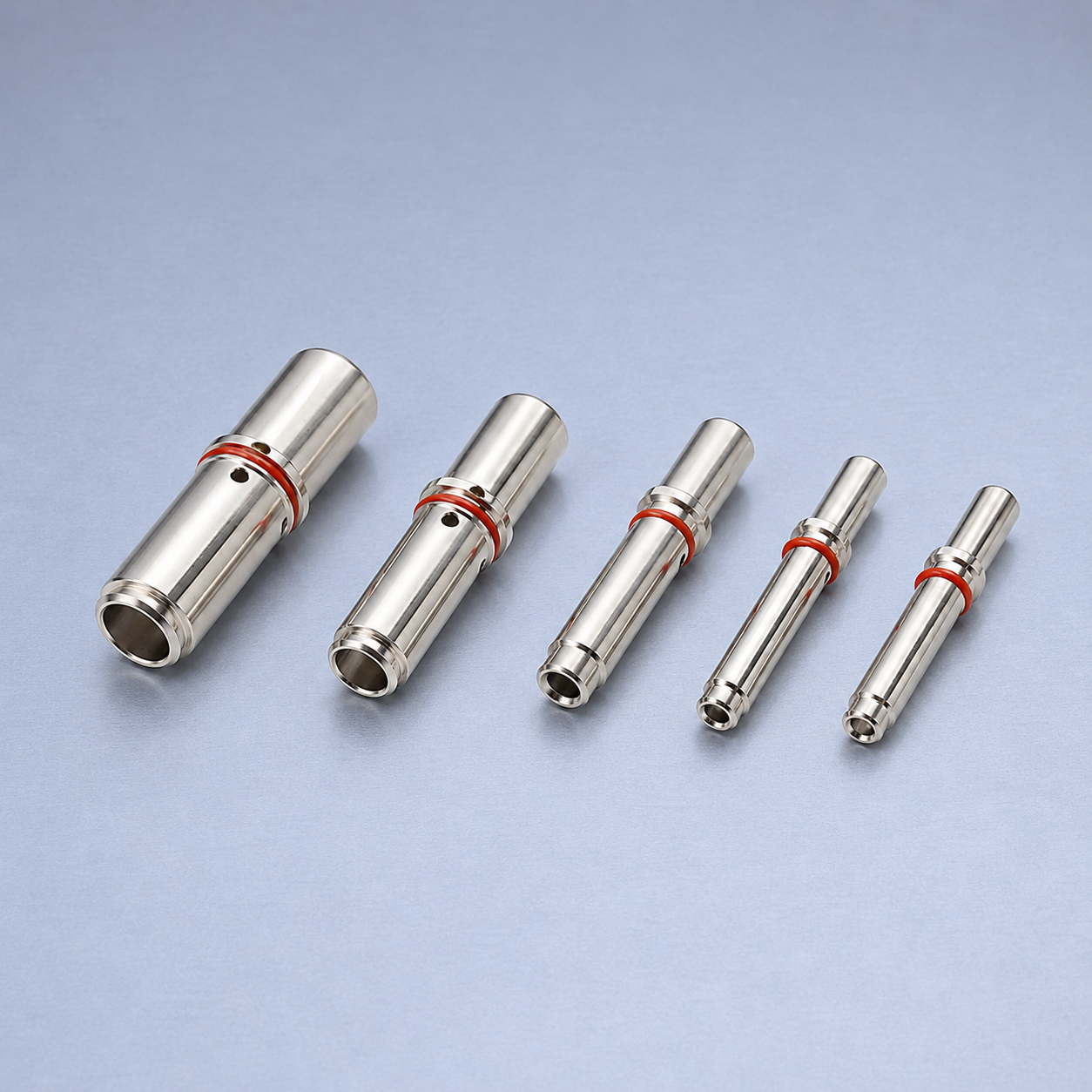
- EV charging connector power pins — for AC Level 2 and DC fast charging connectors carrying 0.5A to 500A continuous current with silver or gold plating
- EV charging connector signal pins — for control pilot, proximity detection, and communication signal contacts per IEC 61851 signaling standards
- Charging connector latch mechanisms — for locking the charging connector to vehicle inlet during charging session with integrated interlock switch
- Charging cable strain relief components — for cable-to-connector transition preventing wire breakage with engineered strain relief geometry
Manufacturing Support from VOLCRIX
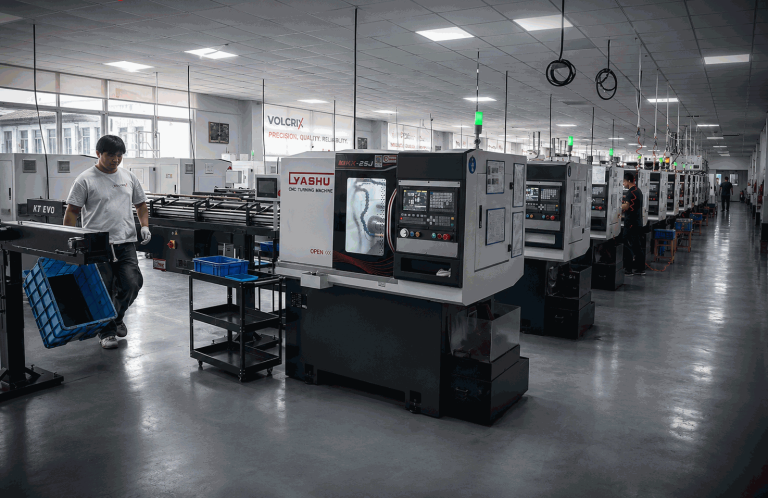
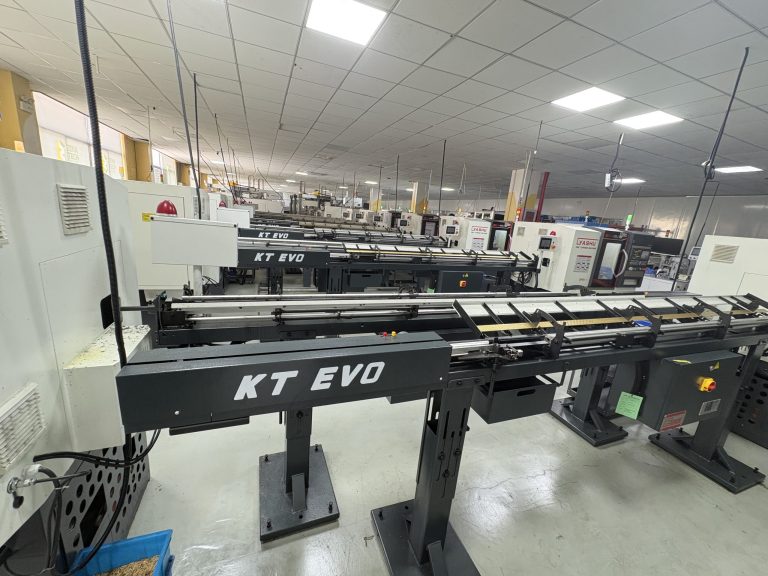
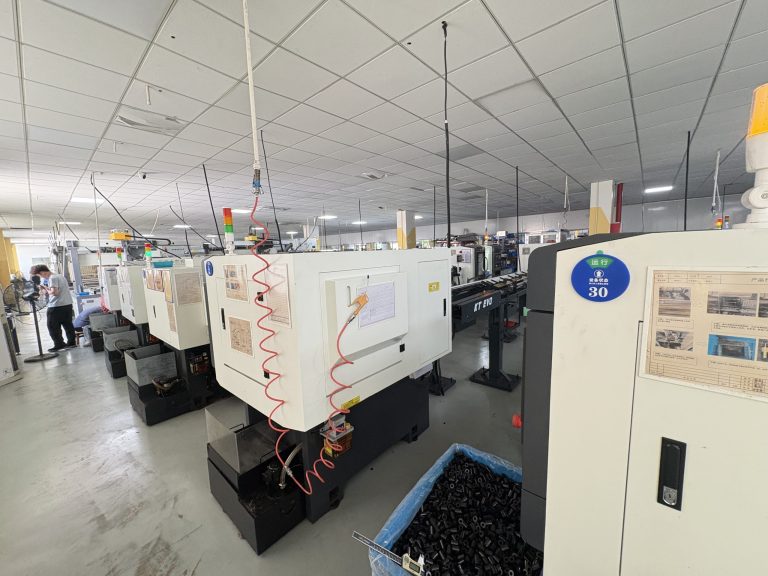
- 60+ Japanese Star Swiss turning machines — for precision charging pins, signal contacts, and small connector components with plus or minus 0.01 mm tolerances
- 40 stamping presses 5-200 tons — for charging connector latch mechanisms, alignment guides, enclosure brackets, and contact springs
- Multi-standard compliance capability — to IEC 62196-2, IEC 62196-3, SAE J3400, GB/T 20234, and UL 2251 with material and plating certification per each standard
- PPAP and FAI capability — with full AIAG PPAP level 3 documentation including dimensional inspection, material certificates, control plan, MSA studies
Buyer Checklist
- Specify component function — power pin, signal pin, latch mechanism, alignment guide, sealing gasket, sensor, fastener, or strain relief
- Define connector standard reference — IEC 62196-2 Type 2, IEC 62196-3 CCS, SAE J3400 NACS, GB/T 20234
- Indicate current and voltage rating — 0.5A signal to 500A power continuous, 250V AC to 1000V DC
- Specify material and plating — copper alloy grade UNS designation, plating type, plating thickness per ASTM standards
Related Custom Manufacturing Services
- Custom EV Charging Pins — Type 2, CCS, NACS contact pins
- Custom Precision Pins — connector pins, contact pins, spring pins
- Stainless Steel Turned Parts Guide — stainless steel grades and machining
- Connector Pin Manufacturer Guide — complete OEM buyer guide
FAQ
What are the most important precision components in EV charging systems?
The 8 most important precision components in EV charging systems are: power charging pins carrying AC or DC current with silver plating, signal pins for control pilot and proximity detection with gold plating, latch mechanisms for locking the connector to vehicle inlet, alignment guides for proper mating with keying features, sealing gaskets for IP54 or higher ingress protection, thermal sensors monitoring connector temperature during high-power charging, communication chips for ISO 15118 PLC communication, cable strain reliefs preventing wire breakage at cable-to-connector transition.
What materials are used for EV charging system components?
EV charging system components use various materials based on function. Power charging pins: C11000 ETP copper for AC charging under 80A, C18150 Cr-Zr copper for DC fast charging above 150A. Signal pins: C36000 brass or beryllium copper with gold plating. Latch mechanisms: stainless steel 304 or 316 for corrosion resistance. Alignment guides: stainless steel 303 for free-machining, or brass C36000 for cost.
What precision tolerances are required for EV charging components?
EV charging component tolerances depend on function and standard. Power charging pins: plus or minus 0.01 mm on critical diameter, plus or minus 0.05 mm on length, plus or minus 0.01 mm TIR concentricity. Signal pins: plus or minus 0.02 mm on diameter, plus or minus 0.05 mm on length. Tolerances verified on Zeiss CMM per ISO 9001 and IATF 16949 quality system requirements.
What is the role of thermal management in EV charging components?
Thermal management is critical for high-power EV charging components. At 350 kW continuous operation, contact zone temperatures can reach 150-200 degrees C without thermal management. Thermal management strategies include silver plating for low contact resistance reducing I squared R heating, C18150 Cr-Zr copper for thermal stability at elevated temperatures, liquid cooling with dielectric coolant circulation, thermal sensors monitoring connector temperature per IEC 61851.
Ready to Start Your EV Charging Precision Components Project?
Free DFM review · Quote within 24 hours · Prototype in 7–15 days
Certifications, Standards & Compliance
VOLCRIX products are built to international standards and customer specifications:
- ISO 9001:2015 — Quality management system
- IATF 16949 — Automotive quality management
- IEC 62196-2 — Type 2 EV charging connector
- IEC 62196-3 — CCS Combined Charging System
- SAE J3400 — NACS North American Charging Standard
- UL 2251 — EV charging plug/receptacle safety
- MIL-DTL-38999 — Military circular connectors
- RoHS 3 (EU 2015/863) — Restriction of Hazardous Substances
For specific compliance questions contact our sales team.