
Precision Swiss Turning for EV Charging Contact Pins: Manufacturing Guide
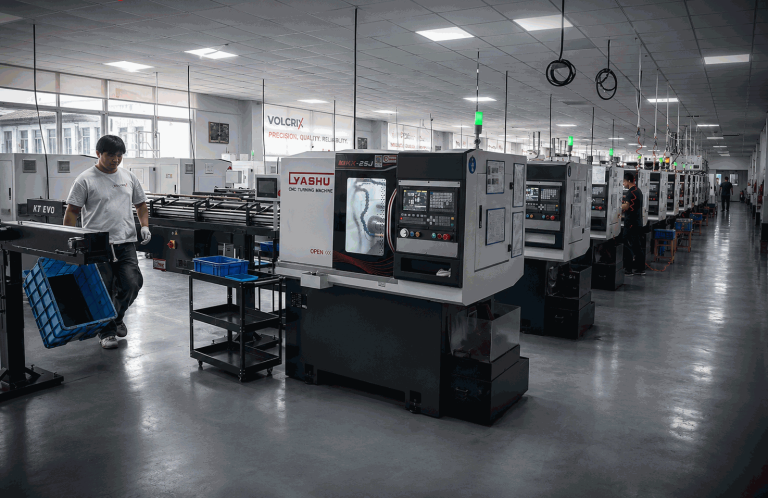
Short answer: Swiss turning is the standard process for EV charging contact pins because it holds ±0.01 mm tolerances on small diameter parts, achieves superior surface finish, and runs cycle times under 30 seconds for typical contact pin geometries. The sliding headstock design minimizes vibration and tool deflection, which is critical for the tight concentricity required by IEC 62196-2, SAE J3400, and UL 2251 specifications. VOLCRIX has machined EV charging contact pins via Swiss turning since 1991 on 60+ Japanese Star Swiss turning machines with full IATF 16949 quality system.
Need Swiss Turned EV Charging Contact Pins?
Free DFM review · Quote within 24 hours · Prototype in 7–15 days
Common Applications
- EV charging connector power pins — for AC Level 2 and DC fast charging connectors carrying 0.5A signal to 500A power with silver plating per ASTM B700
- Vehicle inlet contact pins — for OEM vehicle inlet connectors including Type 2, CCS, NACS, GB/T standards with up to 10,000 mating cycles
- Charging station side contact pins — for charging station connectors in public charging networks and DC fast charging infrastructure
- Charging cable adapter contact pins — for NACS to CCS adapters, CHAdeMO to CCS adapters, and other cross-standard charging adapters
Manufacturing Support from VOLCRIX
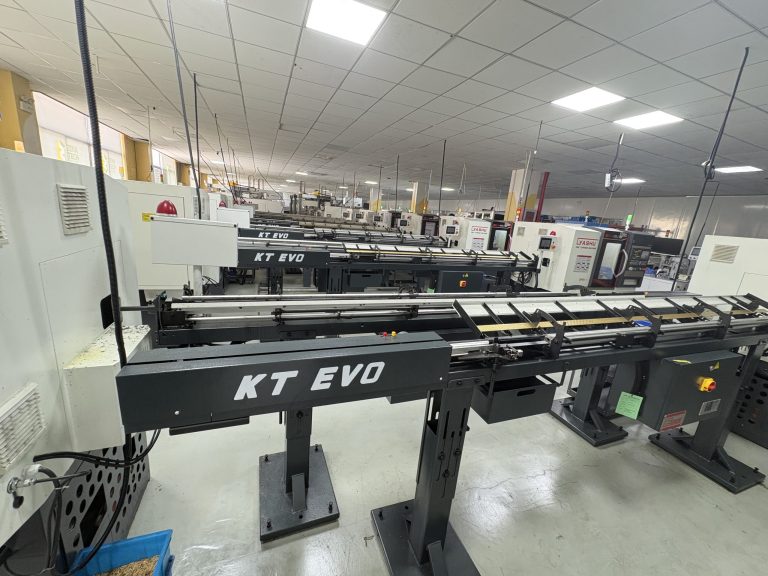
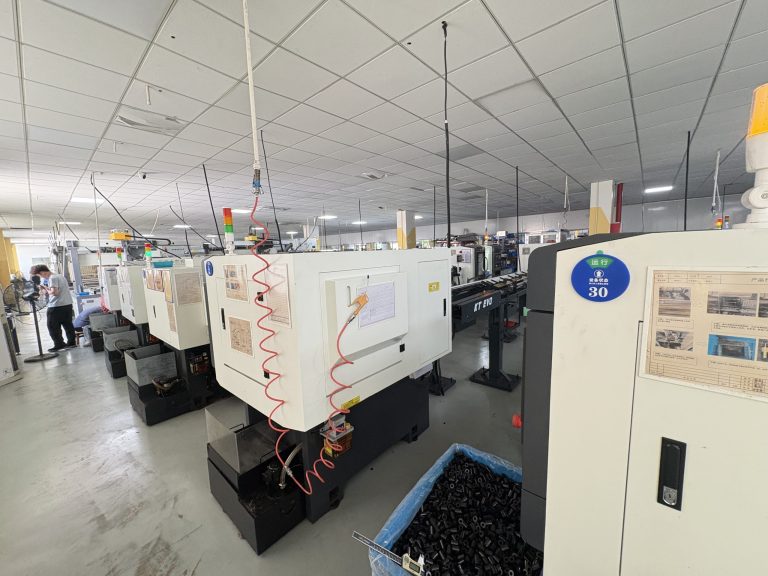
- 60+ Japanese Star Swiss turning machines — with sliding headstock design for small diameter parts under 25 mm with high length-to-diameter ratios up to 30:1
- Tight tolerance machining — ±0.01 mm on critical diameters and ±0.005 mm on premium applications verified on Zeiss CMM
- Multi-material capability — C11000 ETP copper, C18150 Cr-Zr copper, C36000 brass, beryllium copper, stainless steel 303/304/316
- In-house plating coordination — silver 3-5 micrometers indoor, 5-8 micrometers outdoor, gold 0.5-1 micrometer over nickel, tin 3-8 micrometers per ASTM standards
Buyer Checklist
- Verify connector standard compliance — IEC 62196-2 Type 2, IEC 62196-3 CCS, SAE J3400 NACS, GB/T 20234, UL 2251 with material and plating certification
- Confirm IATF 16949 certification through iatfglobaloversight.org and verify scope covers connector or precision machining
- Request sample FAI report and material certificates for similar pin geometries to verify inspection capability and documentation standards
- Specify plating verification method — XRF thickness per ASTM B568, salt spray ASTM B117, contact resistance measurement, mating cycle testing
Related Custom Manufacturing Services
- Custom EV Charging Pins — Type 2, CCS, NACS contact pins
- Connector Pin Manufacturer Guide — complete OEM buyer guide
- EV Charging Pin Quality Control — QC procedures
- Swiss Turning Parts — Star Swiss turning precision parts
FAQ
Why is Swiss turning preferred for EV charging contact pins?
Swiss turning is preferred for EV charging contact pins because the sliding headstock design minimizes vibration and tool deflection, enabling ±0.01 mm tolerances on small diameter parts with high length-to-diameter ratios. The fixed tool cluster allows multiple cutting operations in a single setup, reducing cycle time. Surface finish is superior to conventional CNC turning due to reduced vibration. These advantages make Swiss turning ideal for EV charging contact pins under 25 mm diameter requiring IEC 62196-2 and SAE J3400 standard compliance.
What is the typical cycle time for EV charging contact pins?
Typical cycle time for EV charging contact pins on Swiss turning machines ranges from 15 to 60 seconds per part depending on geometry, material, and tolerance requirements. Simple AC charging pins run 15 to 25 seconds. Complex DC fast charging pins with multiple features and tight concentricity requirements run 30 to 60 seconds. Cycle time includes material feed, all machining operations, and part cutoff.
What is the difference between Type 2 and NACS contact pins?
Type 2 IEC 62196-2 contact pins use 7 pins including 2 power, 2 ground, 1 signal, 2 communication. NACS SAE J3400 contact pins use 5 pins including 2 power, 2 ground, 1 signal. NACS is mechanically smaller allowing lighter cables. NACS supports up to 1000V DC at 900A continuous while Type 2 supports 480V AC at 63A three-phase. Both standards require IEC type test certification or UL 2251 listing for North American market.
What plating is required for EV charging contact pins?
Silver plating 3-5 micrometers per ASTM B700 over nickel strike is the standard for power contact pins. Gold plating 0.5-1 micrometer over nickel per ASTM B488 is used for signal pins requiring stable low contact resistance. Tin plating 3-8 micrometers per ASTM B545 is used for cost-sensitive applications but has higher contact resistance than silver or gold. Plating thickness verified with XRF per ASTM B568.
Need Swiss Turned EV Charging Contact Pins?
Free DFM review · Quote within 24 hours · Prototype in 7–15 days
Certifications, Standards & Compliance
- ISO 9001:2015 — Quality management system
- IATF 16949 — Automotive quality management
- IEC 62196-2 — Type 2 EV charging connector standard
- SAE J3400 — NACS North American Charging Standard
- UL 2251 — EV charging plug/receptacle safety
- ASTM B700 — Silver plating specification
- ASTM B488 — Gold plating specification
- RoHS 3 (EU 2015/863) — Restriction of Hazardous Substances
For specific compliance questions contact our sales team.