
EV Charging Connector Standards: CCS vs NACS vs Type 2 Guide
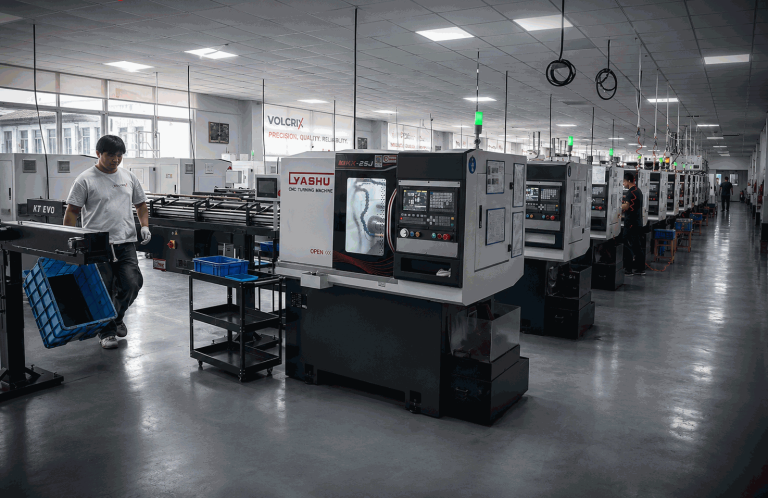
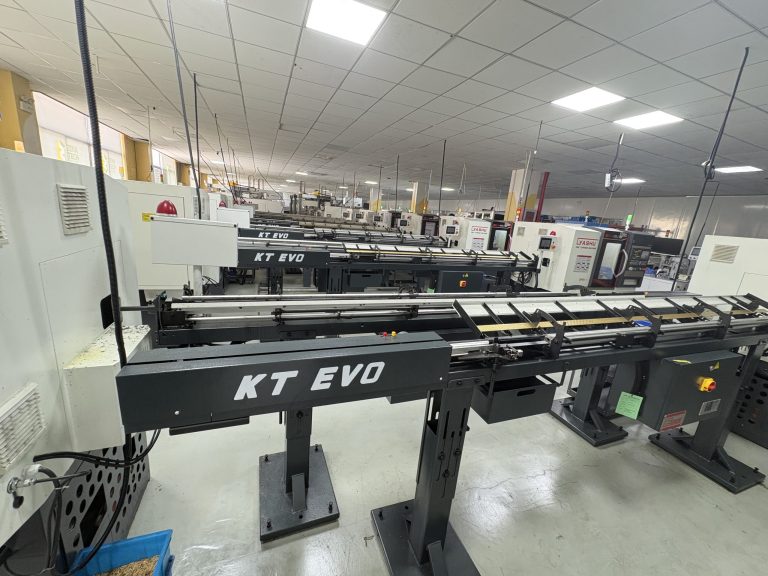
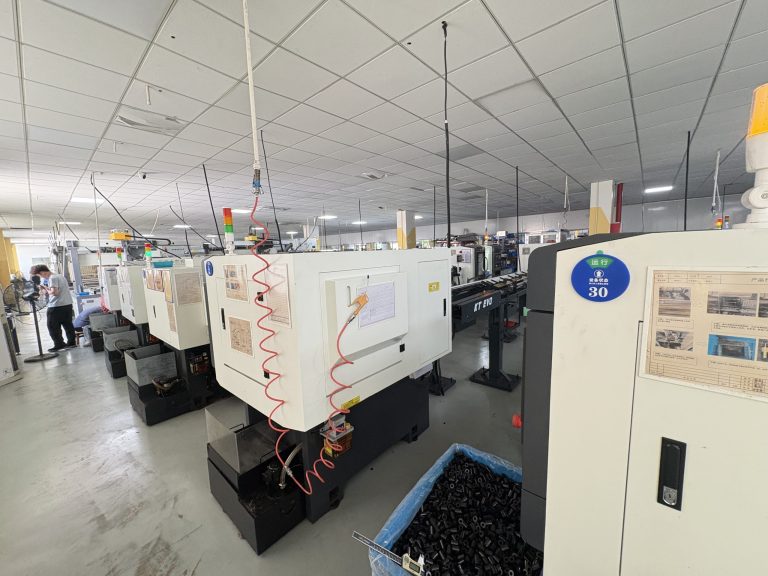
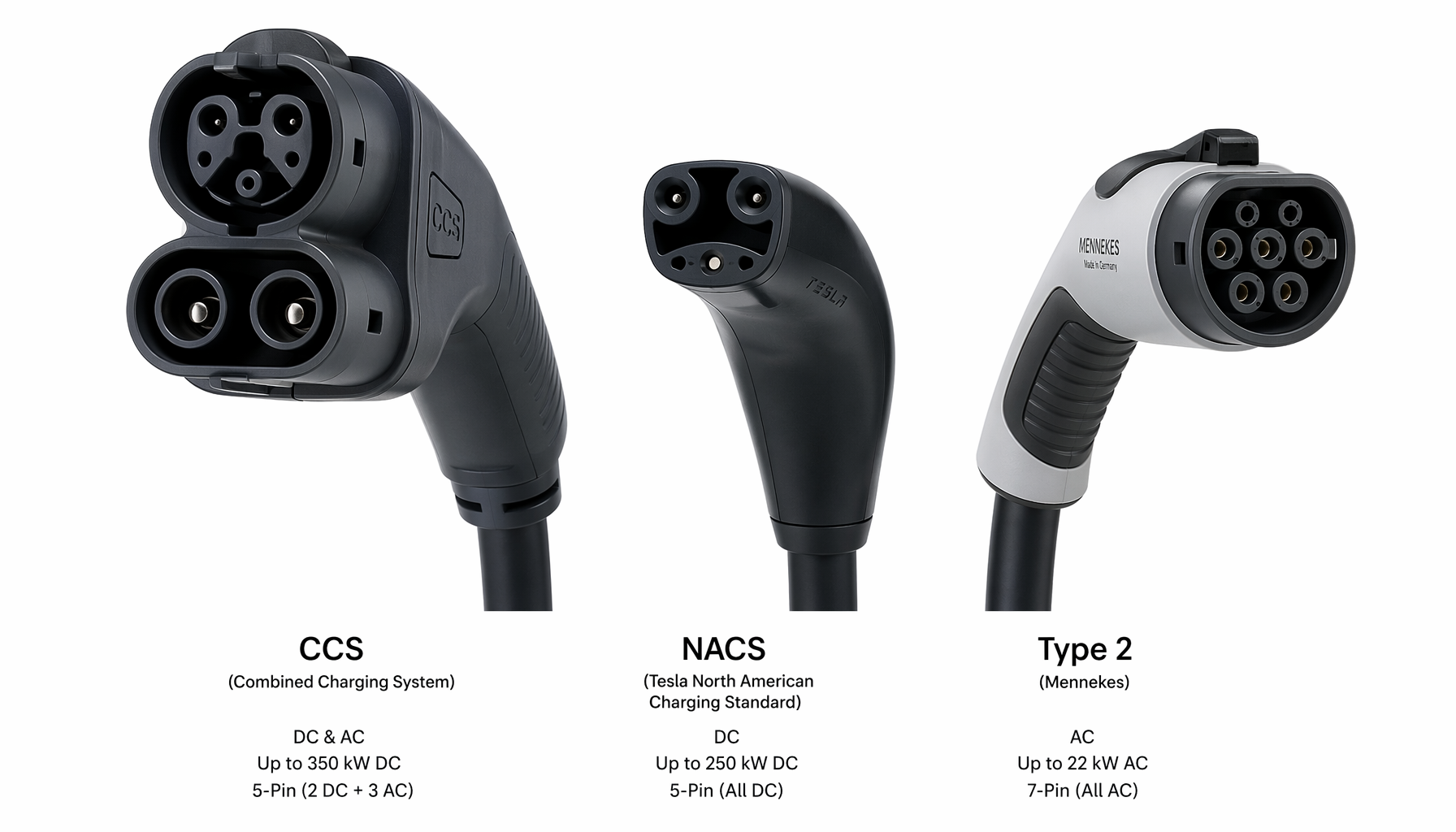
Direct answer: Three connector standards dominate global EV charging in 2026: CCS Combo 1 and Combo 2 (IEC 62196-3) used in Europe and North America, NACS (SAE J3400) the former Tesla connector adopted by most North American OEMs, and Type 2 (IEC 62196-2) used in Europe and Asia for AC charging. Each standard specifies different pin geometry, current rating, and communication protocol. VOLCRIX has manufactured EV charging pins compliant with all three standards since 1991 on 60+ Japanese Star Swiss turning machines.
Ready to Start Your Multi-Standard EV Charging Pins Project?
Free DFM review · Quote within 24 hours · Prototype in 7–15 days
Common Applications
- CCS Combo 1 charging pins — for North American DC fast charging up to 350 kW, combining J1772 AC pins with two additional DC power pins
- CCS Combo 2 charging pins — for European DC fast charging up to 350 kW, combining Type 2 AC pins with two additional DC power pins
- NACS SAE J3400 charging pins — for the North American Supercharger network and OEM vehicle inlets, supporting up to 500V AC and 1000V DC
- GB/T 20234 Chinese standard charging pins — for the Chinese domestic EV market, with distinct pin geometry separate from IEC and SAE standards
Manufacturing Support from VOLCRIX
- Multi-standard compliance expertise — — IEC 62196-2, IEC 62196-3, SAE J3400, SAE J1772, UL 2251, GB/T 20234 with material and plating certification per each standard
- Material selection per current rating — — C18150 Cr-Zr copper for CCS DC fast charging pins above 150A, C11000 for AC charging pins under 80A, C36000 for signal pins
- Silver plating coordination — per ASTM B700 with 3-5 micrometers for indoor applications and 5-8 micrometers for outdoor DC fast charging stations
- Full certification documentation — — FAI reports, material certificates, plating certificates, dimensional inspection data, and salt spray testing per ASTM B117
Buyer Checklist
- Specify which connector standard the pins must comply with — IEC 62196-2 for Type 2, SAE J3400 for NACS, IEC 62196-3 for CCS, etc.
- Define current and voltage rating — Type 2 supports up to 480V AC 63A, NACS supports up to 1000V DC 900A, CCS supports up to 1000V DC 500A
- Indicate application environment — indoor AC charging, outdoor DC fast charging, marine environment, heavy-duty commercial vehicle
- Specify certification requirements — IEC type test certificate, UL 2251 listing, CE marking for Europe, CCC for China
Related Custom Manufacturing Services
- Custom EV Charging Pins — Type 2, CCS, NACS contact pins
- NACS Tesla Charging Pin Manufacturing — NACS-specific requirements
- EV Charging Pin Quality Control — QC procedures
- EV Charging Pin Materials Guide — copper alloy selection
FAQ
What is the difference between CCS Combo 1 and Combo 2?
CCS Combo 1 and CCS Combo 2 share the same IEC 62196-3 standard but with regional variations. CCS Combo 1 is used in North America and is based on J1772 AC with two additional DC pins below the AC pins. CCS Combo 2 is used in Europe and is based on Type 2 IEC 62196-2 AC with two additional DC pins below the AC pins. Both support up to 350 kW DC fast charging. The pin geometry is different between Combo 1 and Combo 2, so connector pins are not interchangeable.
What is the difference between NACS and Type 2?
NACS SAE J3400 and Type 2 IEC 62196-2 differ significantly in pin count, geometry, and current capability. NACS uses 5 pins total: 2 power, 2 ground, 1 signal. Type 2 uses 7 pins: 2 power, 2 ground, 1 signal, 2 communication/pilot. NACS is mechanically smaller — about half the size of Type 2 — allowing lighter cables. NACS supports up to 1000V DC at 900A continuous in v3 Supercharger design. Type 2 AC supports up to 480V AC at 63A three-phase. NACS and Type 2 are mechanically incompatible — adapters are required to use NACS-equipped vehicles at Type 2 stations and vice versa.
Which connector standard is most popular globally in 2026?
In 2026, the global EV charging landscape shows: Type 2 IEC 62196-2 dominant in Europe and most of Asia for AC charging, CCS2 IEC 62196-3 dominant in Europe for DC fast charging, CCS1 dominant in North America for legacy charging but transitioning to NACS SAE J3400 for new vehicles from 2025 model year onward, NACS voltage-limited to 1000V DC and growing rapidly in North America, GB/T 20234 exclusive in China, CHAdeMO declining but still present in Japan.
Why is the US moving from CCS1 to NACS?
Several factors drove the US transition from CCS1 to NACS SAE J3400. NACS is mechanically smaller and lighter — easier to handle. Tesla Supercharger network has superior reliability and uptime compared to CCS networks. Tesla deployed over 15,000 Supercharger stalls globally, more than any other single network. In 2023 Tesla released the NACS design as an open standard, and it was adopted by SAE as J3400. Major US OEMs Ford, GM, Rivian, Polestar, Volvo, Hyundai, Honda committed to NACS adoption for 2025+ model year vehicles.
Ready to Start Your Multi-Standard EV Charging Pins Project?
Free DFM review · Quote within 24 hours · Prototype in 7–15 days
Certifications, Standards & Compliance
VOLCRIX products are built to international standards and customer specifications:
- ISO 9001:2015 — Quality management system
- IATF 16949 — Automotive quality management
- IEC 62196-2 — Type 1, Type 2 AC charging connector standards
- IEC 62196-3 — DC charging including CCS Combo 1 and Combo 2
- SAE J3400 — NACS North American Charging Standard
- SAE J1772 — AC Level 1 and Level 2 charging coupler
- UL 2251 — EV charging plug/receptacle safety
- GB/T 20234 — Chinese national EV charging standard
For specific compliance questions contact our sales team.