
Swiss Turned EV Charging Pins for Next-Generation Charging Systems
Direct answer: Swiss turned EV charging pins for next-generation 800V to 1000V charging systems require C18150 chromium-zirconium copper for thermal stability at 350 kW+ continuous current, 5-8 micrometers silver plating per ASTM B700 over nickel strike, and tight plus or minus 0.01 mm tolerances per IEC 62196-3, SAE J3400, and UL 2251 specifications. VOLCRIX has machined EV charging pins for next-generation high-power charging systems since 1991.
Ready to Start Your Swiss Turned EV Charging Pins Project?
Free DFM review · Quote within 24 hours · Prototype in 7–15 days
Common Applications
- Next-generation 800V vehicle platform charging pins — for Porsche Taycan, Lucid Air, Hyundai E-GMP, Kia EV9, BYD Seal, and other 800V architecture EVs requiring high-power charging
- 1000V ultra-fast charging station pins — for emerging 1000V DC fast charging infrastructure supporting megawatt charging for electric trucks, buses
- High-current 500A+ continuous charging pins — for liquid-cooled charging cables and station-side connectors operating at 500A continuous current
- V2G vehicle-to-grid charging pins — for bidirectional charging applications where charging pins carry current in both directions with smart metering
Manufacturing Support from VOLCRIX
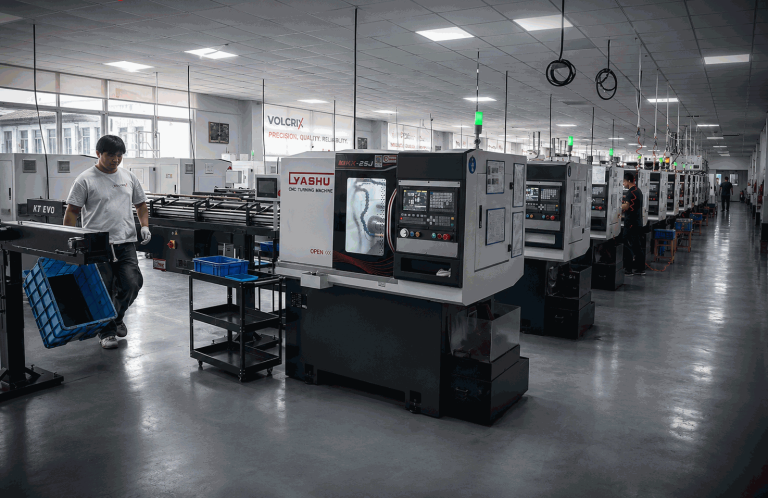
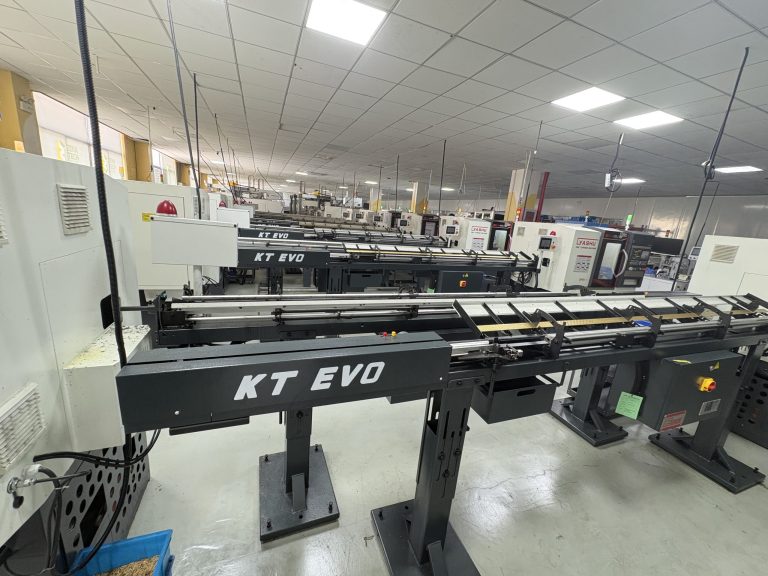
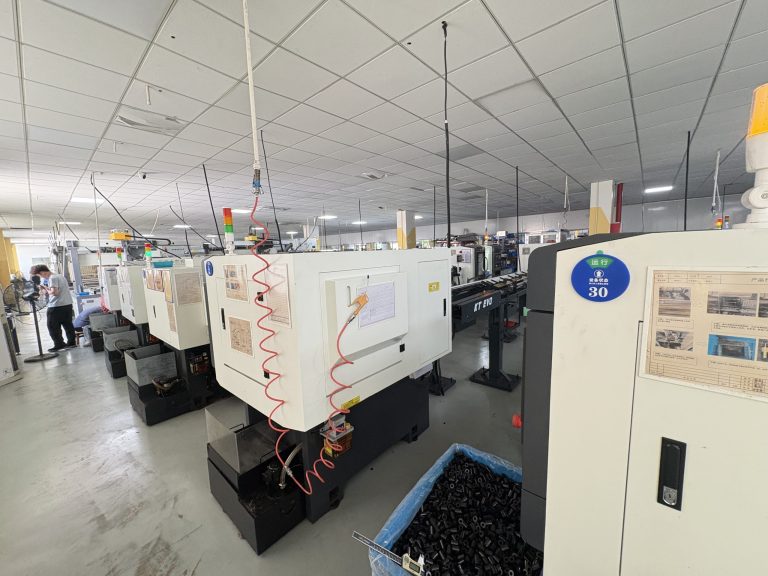
- 60+ Japanese Star Swiss turning machines — for next-generation EV charging pin production with thermal-stable C18150 Cr-Zr copper and tight tolerance machining
- High-current copper alloy expertise — C18150 chromium-zirconium copper with 480 MPa tensile strength and 92 percent IACS conductivity
- In-house silver plating coordination — with 5-8 micrometers silver over 1-3 micrometers nickel strike per ASTM B700, verified with XRF per ASTM B568
- PPAP submission capability — for OEM automotive programs with full AIAG PPAP level 3 documentation including dimensional inspection, material certificates, control plan, MSA studies
Buyer Checklist
- Define operating voltage and current rating — 800V to 1000V next-generation, 350A to 500A continuous current, peak power 350 kW to 1000 kW+ for heavy-duty applications
- Specify material grade using UNS C18150 for Cr-Zr copper preferred for 800V+ applications due to thermal stability
- Indicate thermal management approach — passive cooling with larger pin cross-section, active liquid cooling with dielectric coolant circulation
- Specify plating specification — 5-8 micrometers silver for high-current 800V+ applications per ASTM B700
Related Custom Manufacturing Services
- Custom EV Charging Pins — Type 2, CCS, NACS contact pins
- NACS Tesla Charging Pin Manufacturing — NACS-specific requirements
- EV Charging Pin Materials Guide — copper alloy selection
- EV Charging Connector Standards Guide — Type 2 vs CCS vs NACS
FAQ
What is the next-generation EV charging system voltage?
Next-generation EV charging systems operate at 800V to 1000V DC compared to legacy 400V systems. 800V is the current mainstream for high-end EVs launched from 2019 onwards, supporting 350 kW DC fast charging. 1000V is the emerging standard for ultra-fast charging stations. Benefits: reduced current for same power 350 kW at 800V requires 437A vs 875A at 400V, reducing cable size and thermal load. Higher voltage requires C18150 Cr-Zr copper for thermal stability, upgraded insulation, and reinforced safety standards.
Why is C18150 chromium-zirconium copper preferred for 800V charging pins?
C18150 Cr-Zr copper is preferred for 800V+ charging pins due to its superior thermal stability at elevated temperatures. Standard C11000 ETP copper softens significantly above 200 degrees C, losing mechanical strength and contact force. C18150 maintains its strength up to 425 degrees C due to chromium and zirconium precipitates that pin dislocations.
What is liquid-cooled charging and why is it needed?
Liquid-cooled charging uses dielectric coolant circulation through the charging cable and connector to remove heat from high-current charging pins. Liquid cooling enables 350-500A continuous current in compact cable designs that would otherwise require much larger cable diameters for passive cooling. Benefits: lighter cables 50-60 percent weight reduction, smaller charging guns, longer cable life, higher continuous current capability 500A vs 200A for air-cooled.
What is V2G vehicle-to-grid charging?
V2G vehicle-to-grid charging is bidirectional charging that allows EVs to discharge power back to the electrical grid during peak demand and charge during off-peak hours. V2G applications include: peak shaving for commercial buildings, frequency regulation for grid operators, backup power for homes, and renewable energy storage.
Ready to Start Your Swiss Turned EV Charging Pins Project?
Free DFM review · Quote within 24 hours · Prototype in 7–15 days
Certifications, Standards & Compliance
VOLCRIX products are built to international standards and customer specifications:
- ISO 9001:2015 — Quality management system
- IATF 16949 — Automotive quality management
- IEC 62196-2 — Type 2 EV charging connector standard
- IEC 62196-3 — CCS Combined Charging System standard
- SAE J3400 — NACS North American Charging Standard
- UL 2251 — EV charging plug/receptacle safety
- ISO 17409 — Electrically propelled road vehicles
- ASTM B700 — Silver plating specification
For specific compliance questions contact our sales team.