
EV Charging Pin Sourcing FAQ: 10 Questions Every Buyer Should Ask
Direct answer: This FAQ answers the 10 most common questions from OEM buyers and charging station operators: how to evaluate suppliers, verify IATF 16949 certification, check silver plating thickness, validate IEC 62196-2 conformance, manage tooling cost, and ensure UL 2251 safety certification. VOLCRIX has manufactured EV charging pins since 1991 for automotive, charging station, and Tier 1 supplier customers.
Ready to Start Your EV Charging Pin Sourcing Project?
Free DFM review · Quote within 24 hours · Prototype in 7–15 days
Common Applications
- OEM vehicle inlet charging pins — for EV manufacturers adopting Type 2 IEC 62196-2 or NACS SAE J3400 standards
- Charging station operator pins — for DC fast charging network operators deploying 150 kW to 350 kW stations
- Tier 1 charging connector assembler pins — for charging gun manufacturers assembling connector pins into completed cables
- EV charging test and certification pins — for charging system test labs requiring certified reference pins for SAE J3400, IEC 62196-2, and UL 2251 conformance testing
Manufacturing Support from VOLCRIX
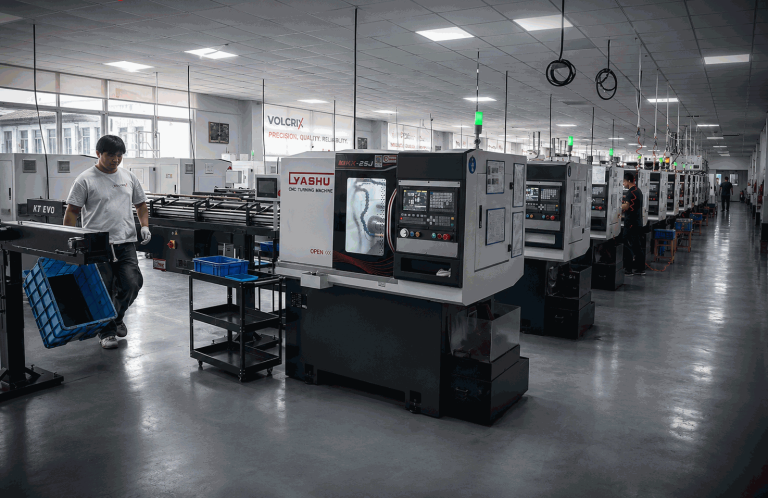
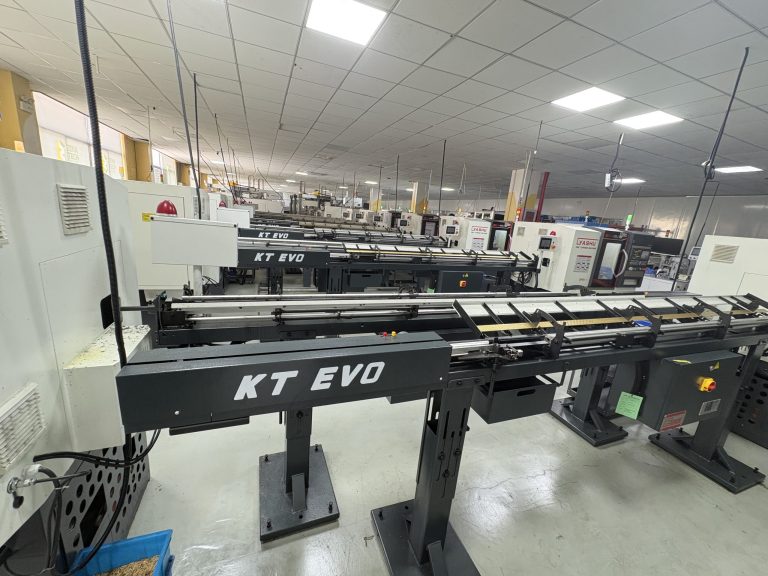
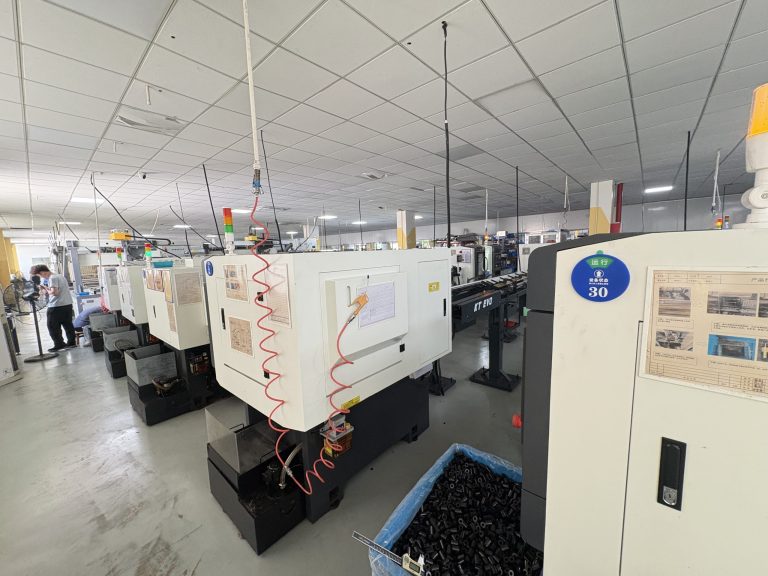
- 35 years of precision manufacturing experience — since 1991, with 60+ Japanese Star Swiss turning machines dedicated to EV charging pin production
- IATF 16949 automotive certification — the automotive industry quality standard replacing ISO/TS 16949, required by most OEM and Tier 1 automotive buyers
- One-stop supplier capability — from raw material sourcing through Swiss turning, plating, FAI inspection, and shipping
- Free DFM review and 24-hour quote response — engineering analysis included with every RFQ, formal quotation within one business day
Buyer Checklist
- Ask for material certificates — mill certificates traceable to raw material supplier, with heat lot and chemical composition per ASTM B49 for copper
- Request sample FAI report — full dimensional inspection data, plating thickness verification, and material certification per production batch
- Confirm plating certification — silver plating 3-5 micrometers per ASTM B700 over 1-3 micrometers nickel strike, with XRF thickness records
- Verify connector standard compliance — IEC 62196-2 for Type 2, IEC 62196-3 for CCS, SAE J3400 for NACS, UL 2251 for North American safety
Related Custom Manufacturing Services
- Custom EV Charging Pins — Type 2, CCS, NACS contact pins for EV charging
- EV Charging Pin Quality Control — dimensional, surface, electrical QC
- NACS Tesla Charging Pin Manufacturing — NACS-specific requirements
- Connector Pin Manufacturer Guide — complete OEM buyer guide
FAQ
How do I evaluate an EV charging pin supplier?
Evaluate on five criteria: certifications (ISO 9001 minimum, IATF 16949 for automotive), equipment (Star Swiss turning machines with current model year for tight tolerances), in-house QC (CMM, spectrometer, plating thickness gauges, FAI capability), industry experience (minimum 10 years in connector pin production), customer references (request contacts in your industry). Avoid suppliers with no certifications, old equipment, or inability to provide FAI reports. Request samples before committing to volume orders.
What is the typical lead time for custom EV charging pins?
Prototype lead time is 7-15 working days after drawing approval and PO. Production lead time for repeat orders is 15-25 working days depending on volume and plating specification. High-volume programs requiring new tooling may take 4-6 weeks for tool build and first-article samples. VOLCRIX provides formal lead time commitments with every quotation and tracks on-time delivery as a key quality metric under IATF 16949.
How much does a custom EV charging pin cost?
Unit pricing depends on material grade (C11000 vs C18150 Cr-Zr copper), pin geometry complexity, tolerance requirements, plating specification, and annual volume. Typical price ranges: AC charging pins at 0.50-2.00 USD per pin for 100K pieces annually, DC fast charging pins at 2.00-8.00 USD per pin depending on size and plating. Tooling cost is typically 3,000-15,000 USD for new progressive die or CNC machining setup. Avoid suppliers with unrealistically low pricing — this often indicates substandard materials or skipped plating processes.
Do I need IATF 16949 certification for EV charging pins?
Required for OEM vehicle programs (Ford, GM, BMW, Mercedes, Hyundai, etc.) and most Tier 1 suppliers. Strongly recommended for charging station operators serving the OEM vehicle market. For aftermarket or charging station-only applications, ISO 9001 may be sufficient but IATF 16949 demonstrates higher quality maturity. VOLCRIX holds both ISO 9001 and IATF 16949 certifications, with full PPAP capability for OEM automotive programs.
Ready to Start Your EV Charging Pin Sourcing Project?
Free DFM review · Quote within 24 hours · Prototype in 7–15 days
Certifications, Standards & Compliance
VOLCRIX products are built to international standards and customer specifications:
- ISO 9001:2015 — Quality management system
- IATF 16949 — Automotive quality management
- IEC 62196-2 — Type 2 EV charging connector standard
- SAE J3400 — NACS North American Charging Standard
- UL 2251 — Standard for EV charging plugs and receptacles
- ASTM B700 — Silver plating specification
- MIL-DTL-38999 — Military circular connector specification
- RoHS 3 (EU 2015/863) — Restriction of Hazardous Substances
For specific compliance questions contact our sales team.